Guilherme Mattoso


Tem alguma dúvida? Você pode entrar em contato com a gente preenchendo os campos abaixo:

Por Guilherme Mattoso
set 2021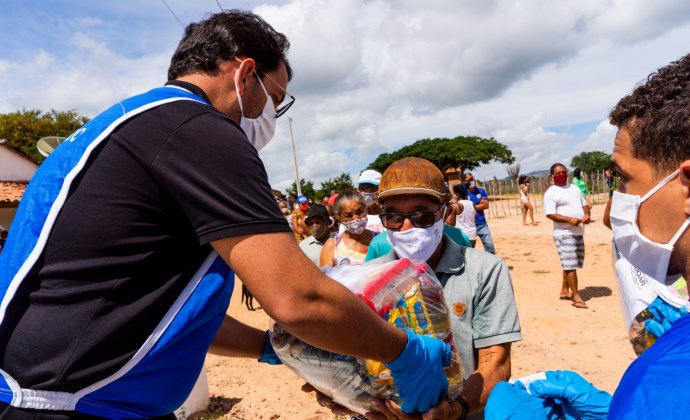 ">
">
Com a pandemia, o terceiro setor se viu em meio a enormes desafios: foi preciso tentar manter as atividades originais, buscar atender à nova demanda por apoio e proteger os funcionários e voluntários, seguindo orientações das autoridades médicas, para evitar o contágio do vírus.
Para compreender o efeito da nova realidade dentro das entidades, o Movimento Bem Maior ouviu organizações da sociedade civil e coletivos apoiados, ao longo de um ano, pela segunda edição do Futuro Bem Maior, nosso programa de fortalecimento de iniciativas de impacto comunitário, iniciado no segundo semestre de 2020.
Apoio emergencial
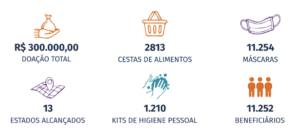
Em março, realizamos conversas individuais com as instituições apoiadas, para melhor compreender os efeitos da segunda onda da Covid-19 em suas regiões. O decorrer do cenário traçado nas conversas individuais levou o MBM a se mobilizar e destinar um apoio emergencial de R$ 300 mil para 25 organizações situadas em locais mais afetados pela pandemia..
Ouvindo as organizações
Posteriormente, como forma de melhor compreender a repercussão do apoio e como cada instituição lidou com a crise, realizamos um levantamento entre 9 e 27 de julho, com todas as organizações da segunda edição do Futuro Bem Maior. Tais organizações estão, majoritariamente, localizadas nas regiões Nordeste (18) e Sudeste (13), com ênfase nas causas de saúde, terceira idade, educação, geração de renda e acessibilidade.
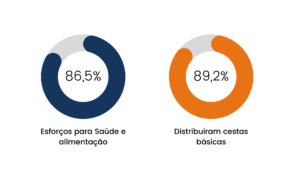
Um dos principais pontos verificados no estudo foi o envolvimento massivo em ações no combate à pandemia e a seus efeitos, com organizações informando que tiveram que ajudar a comunidade com problemas de saúde e alimentação, em especial, a distribuição de cestas básicas.
Os efeitos da pandemia
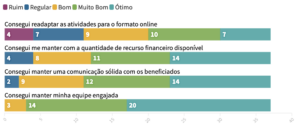
Com a pandemia, 75,6% dos projetos confirmaram que precisaram mudar o cronograma e 81,1% disseram ter realizado atividades não previstas. Uma informação importante que ajuda a mostrar o tamanho da mudança dentro do setor é a adaptação para o formato online: 78,3% concordaram totalmente ou parcialmente que conseguiram ajustar os trabalhos.
Naturalmente, quem promove ações de solidariedade costuma atuar com amor e empenho. E, durante esse período tão duro, o panorama não se alterou, mais da metade das organizações classificou como “ótimo” o envolvimento dos seus integrantes.
Sobre o apoio do Movimento Bem Maior, todas as organizações responderam que sentiram um aumento na motivação e fortalecimento de suas atividades. Também houve unanimidade quando foram perguntadas se os recursos as ajudaram a ter o trabalho evidenciado na comunidade. Além disso, quase a totalidade (97,3%) afirmou que teve visibilidade para alcançar novos parceiros.
Não houve mudança na quantidade de auxiliados em oito instituições e as demais passaram a ajudar mais pessoas, apesar das dificuldades. O levantamento mostrou ainda que apenas dois projetos reduziram o número de beneficiados diretos. De forma geral, a maioria das entidades permaneceu com o mesmo quadro de funcionários ou teve diminuição no voluntariado, devido à mudança de escopo de encontros presenciais para a atuação no ambiente online.
. . .
O Edital Futuro Bem Maior, do MBM, nasceu em 2019 com o objetivo de fortalecer iniciativas de impacto comunitário por meio do apoio institucional e financeiro, estimulando o protagonismo de organizações sociais e coletivos em comunidades vulneráveis e o desenvolvimento socioeconômico dos territórios onde atuam.
E falando em edital, as inscrições para o 3° Edital Futuro Bem Maior estão abertas até o dia 27 de setembro. Vamos selecionar 30 organizações sociais e/ou coletivos para participar do nosso programa de fortalecimento de iniciativas de impacto comunitário. Para mais informações, acesse a página do edital e participe!
. . .
Imagens: Transforma Brasil, Instituto Phi e Movimento Bem Maior
Nenhuma postagem encontrada.
