Some things only exist because not everyone thinks alike. Philanthropy is one of them. Often, it begins precisely there: in the contact between different visions, distant experiences, and very unequal places of power. It brings together those who finance, those who execute, and those who feel the effects of the decisions firsthand.
This can be seen as a problem, but I prefer to see it as a starting point. I believe that one of the most difficult (or noblest) tasks of philanthropy is precisely to create conditions so that real differences do not lead to rupture.
Philanthropy constantly deals with unstable material. It attempts to finance relevant social changes using resources that often come from the same economic environment that produces some of the imbalances it seeks to address. We have a paradox , and we cannot dismiss it as a minor detail. But what do we do with it?
An easy way out would be to seek some kind of "purity." To separate the good from the bad. The right intentions from the suspicious ones. But who defines what is right and wrong? In my view, a more honest way out is to acknowledge the tension and continue working within it. This doesn't solve everything. But it changes the perspective and forces philanthropy to be less naive about itself.
This conversation becomes stronger when we accept that difference is not a flaw in the path. At the 2023 Aspen Ideas conference, the idea of "philanthropic pluralism" emerged strongly, bringing the notion that democracy depends less on eliminating divergences and more on creating ways for them to coexist without destroying the possibility of common action.
We live in an environment of unlikely convergences. And, in many cases, what is most valuable at the negotiating table is not complete alignment, but the willingness to remain there when views diverge.
Maintaining difference is far from a passive gesture. It takes a lot of work. You have to have a strong stomach! Discernment! The line between coexistence that expands possibilities and that which postpones conflict needs to be firm.
Buckminster Fuller, an American futurist, said that to change reality, it is necessary to build a new model that makes the old one obsolete. Thomas Kuhn, a philosopher of science and also American, took a different approach, showing that paradigms begin to change when the current model can no longer respond to the anomalies that accumulate before it.
Perhaps philanthropy lies precisely at this point.
A model focused solely on donation, efficiency, and good intentions seems insufficient for the complexities of the present. It no longer addresses disputes over legitimacy, impasses in representation, or tensions between private capital and the common good.
What comes next isn't ready yet. But perhaps we can already see a glimpse of that next step. Let's think about a future with less certainty in leadership and more listening. We don't need to expend energy seeking total convergence of ideas, but rather on the ability to compose.
Philanthropy plays an important role in keeping a difficult conversation open and in bringing together worlds that don't easily fit together. Something like the slogan of an old cigarette brand said: "each to their own, but with something in common.".
. . .
This article is inspired by the questions that guided the panel held at São Paulo Innovation Weekon May 14th, with the participation of Beatriz Johannpeter, Carola Matarazzo, Vânia Neves, and Priscila Pasqualin.
. . .
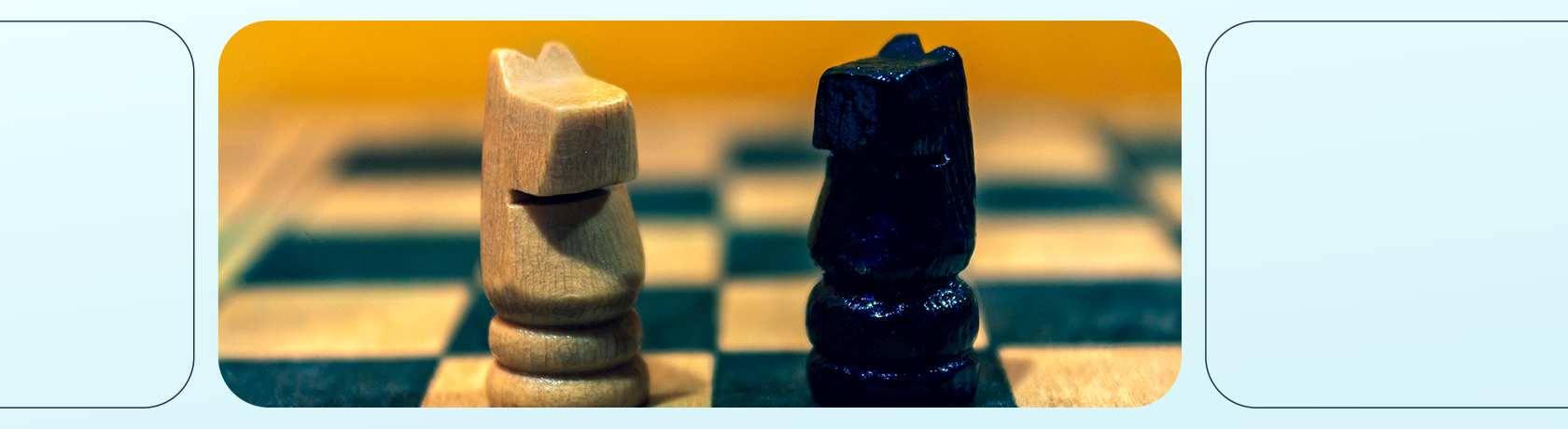
Image credit: Arturo Añes



 ">
">