The COVID-19 pandemic highlights the need to address the North-South power imbalance in global philanthropy, says a report from the Centre for Strategic Philanthropy at the University of Cambridge Judge Business School.
A new report on global philanthropy released today (December 15) says the COVID-19 (coronavirus) pandemic has highlighted the need to address inequalities in the philanthropic relationship between the Global North and South, including more central funding and local networks in the South.
The report – titled Philanthropy and COVID-19: Is the North-South Balance of Power Finally Shifting? – is the first publication from the Centre for Strategic Philanthropy, which launched operations in June 2020 with the mission of examining philanthropy within and from the world’s fastest-growing markets, including Africa, developing Asia, and the Middle East.
Through interviews conducted with two dozen Social Purpose Organizations (SPOs) from the Global South – including the participation of the Greater Good Movement – and foundations during the COVID pandemic – as well as analysis of secondary data – the report concludes that COVID-19 revealed “a profound sense of dissatisfaction with the status quo” in global philanthropy.
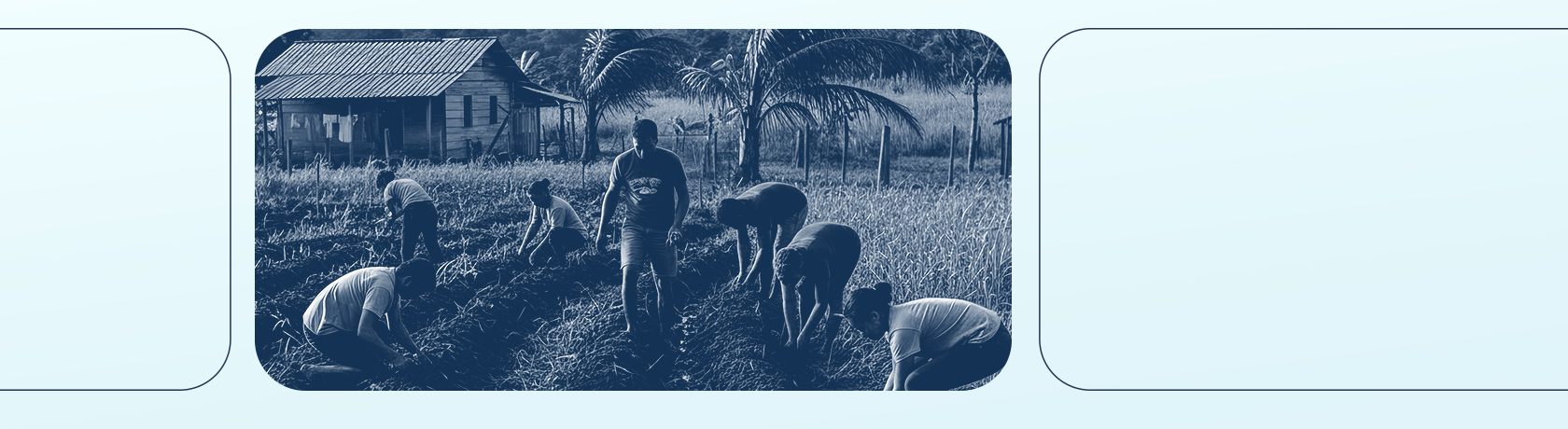
Although philanthropic foundations in the Global North have historically exercised considerable control over how resources are allocated to donors in the Global South, the urgent demands of the pandemic have begun to shift some control to organizations in the Global South. With more and more resources diverted to public health, old norms of decision-making have been broken in favor of organizations with superior local knowledge. And the positive effects of this show that now is the time for change across the sector.
Based on these findings, the report highlights three key steps that will help global philanthropy apply the lessons learned from COVID-19. The resulting long-term changes will make philanthropic relationships more equal and improve the impact of philanthropy in the Global South:
- Funding networks to improve infrastructure, capacity, and knowledge . Networks help fragile and under-resourced SPOs collectively negotiate for better relationships with governments, global funders, and the broader development community. They also help build better analyses of the sector's needs and potential. During the pandemic, many SPOs in the Global South began creating regional networks to share knowledge; however, collecting local data requires investment, and funders from the Global North need to commit to funding local networks (as well as their associated infrastructure) so that SPOs in the Global South can begin to take advantage of the data revolution.
- Improving partnerships between Global South governments and Global South philanthropists. Better partnerships with government would allow Global South OEPs and donors to align with national development policy and scale their initiatives more quickly. Working together, Global South OEPs and governments can also advocate for radical reform of existing global development policies. However, to achieve this, Global South governments need to feel more comfortable working with civil society and local organizations. Projects like the OECD Network of Foundations Working for Development can contribute to this by uniting governments and philanthropists.
- Build resilience in the Global South by funding core costs, rather than just project-specific funding. Historically, donors have been reluctant to fund overhead or SPO salaries due to the myth that this is less efficient than funding programs. This hinders local SPOs in their efforts to build resilience, gain expertise, and manage data repositories – thus diminishing their potential impact. Furthermore, many grant restrictions reinforce the power imbalance between donors and grantees in the Global South, suggesting that the latter are not trusted to decide where funding is best allocated. Instead, funders need to rely on the local knowledge of the SPOs to spend the money effectively. All grantees we interviewed appreciated the simpler and faster due diligence and application processes that COVID-19 made necessary.
Clare Woodcraft, Executive Director of the Centre for Strategic Philanthropy, said:
"The fact that Social Purpose Organizations in the Global South are finally making their voices heard is a positive step – but it is crucial that global philanthropy does not regress to the status quo after the pandemic ends.".
“Achieving the UN Sustainable Development Goals by 2030 will require a shift towards a more collective, inclusive and local to identifying and prescribing social investment solutions. The need for this shift – in light of the severity of the pandemic – has never been more urgent.”
"COVID-19 could therefore be a catalyst for positioning philanthropy to respond even more effectively to the next unpredictable, but not unpredictable, crisis."
Kamal Munir, Academic Director of the Centre for Strategic Philanthropy and Lecturer in Strategy and Politics at Cambridge Judge Business School, said:
“The shift in power dynamics that our research revealed is clearly nascent, fragile, and uneven. However, it shows some initial indications of practices that, if nurtured and maintained, could potentially transform the relationship between philanthropic actors in the Global North and the Global South. This, in turn, could lead to positive operational and political outcomes that can help generate a more sustainable and scalable social impact.”.
“Beyond COVID-19, the UN SDGs could potentially be accelerated if the trillions of dollars of available philanthropic capital were systematically pooled and then directed toward critical needs defined locally, rather than subjective criteria defined in the Global North. Furthermore, a new way of thinking around SDG delivery that incorporates truly grassroots ideas and innovations from the Global South – ideally generated by emerging young philanthropists and transformative social investors from the Global South – could rapidly improve their effectiveness.”
This text was originally published on the Cambridge Judge Business School .
Download the report:
Philanthropy and COVID-19: Is the North-South balance of power finally shifting?


 ">
">