“No ano passado, o valor da empresa ficou enorme. Um dia, você acorda e pensa: Nossa, o que a gente faz com essas ações? É muito dinheiro. Não precisamos, não temos uma vida de luxos.”
O relato é de David Vélez, 40, sobre as inquietações ao ingressar no rol de bilionários da nova economia, como sócio-fundador do Nubank, fintech de serviços financeiros digitais.
Um despertar marcado por lances grandiosos em 2021. Em 8 de dezembro, o unicórnio fundado pelo colombiano em 2013 estreava na Bolsa de Nova York valendo US$ 41,5 bilhões.
O IPO, venda pública de ações, fez do banco digital brasileiro o mais valioso da América Latina, à frente de gigantes como Itaú e Bradesco.
Segundo Vélez, parecia ambição absurda construir um banco do zero no Brasil, depois de brigar com o gerente de uma agência de uma instituição tradicional na Faria Lima. “Parecia impossível ter mais concorrentes entre os agentes financeiros e incluir milhões de pessoas nesse setor.”
Decidiu empreender, deixando uma carreira bem-sucedida de executivo. “Estamos no oitavo para o nono ano da história do Nubank. O crescimento foi muito mais rápido do que imaginamos. Ninguém esperava chegar a quase 50 milhões de clientes”, diz Vélez.
Cinco meses antes do IPO, em 11 de agosto de 2021, ele e a mulher, a economista peruana Mariel Reyes, 41, haviam aderido ao The Giving Pledge, encabeçado por Bill Gates e Warren Buffet.
Tornaram-se assim signatários de um pacto, já firmado por 231 bilionários de 28 países desde 2010, de destinar pelo menos metade de suas fortunas para causas sociais ao longo da vida.
Mesmo compromisso público assumido em 2014 por Elie Horn, 77, fundador da Cyrela, e sua mulher, Susy, 66, que se comprometeram a doar 60% de um patrimônio avaliado em US$ 1,3 bilhão.
“É o teste que Deus está colocando pra gente. O que fazer com isso? As ações subiram 30 vezes da noite para o dia”, afirma Horn, sobre o processo de abertura de capital em 2005, que elevou o valor da construtora e incorporadora em 480%, chegando a R$ 5,6 bilhões.
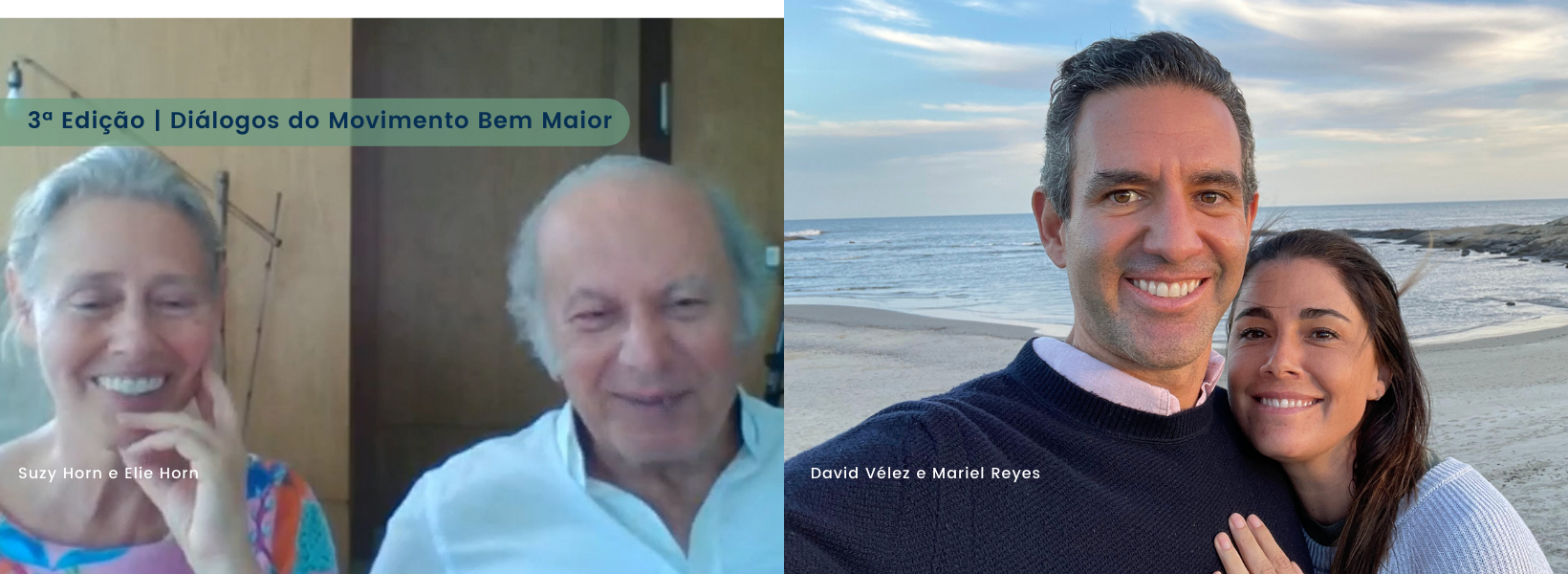
Os dois empresários e suas mulheres se reuniram em um bate-papo virtual “Filantropia como Escolha de Vida”, 3ª edição dos Diálogos do Movimento Bem Maior para inspirar outros bilionários brasileiros.
A Folha teve acesso com exclusividade à conversa mediada pela empreendedora social Monique Evelle. O vídeo estará disponível no canal do Youtube do movimento a partir das 11h desta terça-feira (29).
Ao longo de 50 minutos, os dois casais pioneiros falam de valores e desejos que os movem nessa jornada de criar mais impacto social com o resultado do sucesso empresarial que galgaram.
“Depois de ler muitos livros de filantropos, chegamos à conclusão de que era uma responsabilidade e também oportunidade ser estratégico no uso desse dinheiro, e gastá-lo do melhor jeito nas próximas cinco décadas”, explica Vélez.
Uma inspiração foi a biografia “The Billionaire Who Wasn’t” (O Bilionário que Não Era, em tradução livre), que narra a trajetória de Chuck Feeney, cofundador do Duty Free Shoppers Group.
O americano criou uma fundação, a The Atlantic Philanthropies, pela qual doou toda sua fortuna, estimada em US$ 8 bilhões.
“Ele é fantástico”, afirma Horn, que ouviu uma fala do filantropo em um encontro do Giving Pledge em San Francisco, nos EUA. “Esse senhor é um exemplo para nós todos.”
“É inacreditável o impacto que ele criou. Li o livro e pensei: essa é a vida que eu quero viver”, conta o colombiano. “Feeney gastou o dinheiro todo que ganhou em hospitais e universidades nos Estados Unidos, na Irlanda e no Vietnã. Uma grande influência para doar em vida e começar rápido.”
Para enveredar por esse caminho, Vélez e a mulher estão criando uma plataforma filantrópica familiar, em fase de montagem de equipe e estratégia, com foco em criar oportunidades para crianças e jovens latino-americanos vulneráveis e desfavorecidos.
Ex-funcionária do Banco Mundial, Mariel é fundadora e CEO da {reprograma}, startup social sediada no Brasil que treina mulheres marginalizadas em programação e as apoia na inserção no mercado de tecnologia.
Já os Horn investem em causas como combate violência sexual contra crianças e adolescentes e fortalecimento da cultura de doação no Brasil, via Instituto Liberta e Movimento Bem Maior, iniciativas criadas após a adesão ao Giving Pledge.
Além de terem em comum o fato de serem imigrantes que fizeram fortuna no Brasil, todos vêm de famílias com tradição na filantropia.
“Quando morreu, meu pai tinha pouco, mas doou 100% pra caridade. Foi o melhor mentor que tive na vida. Me ensinou o caminho a seguir”, diz Elie, judeu nascido na Síria que chegou bebê a São Paulo.
Mariel conta que os avós eram missionários metodistas que trabalhavam com refugiados. Moraram no Vietnã, na Jamaica, em Cuba.
“Meus pais sempre deram importância à consciência social. Estamos no mundo para deixar uma marca e ajudar aqueles que não tiveram oportunidade”, afirma a peruana. “Depois, conheci esse colombiano maravilhoso que compartilha esse valor de devolver.”
Criado na Costa Rica, para onde a família se mudou quando tinha 8 anos fugindo da violência na Colômbia no fim dos anos 1980, Vélez diz que a visão de responsabilidade social vem de berço.
“Esse sempre foi um valor muito grande, cultural. Cresci sentido que tinha responsabilidade com a comunidade, em fazer o bem e ter impacto na vida das pessoas.”
Especialmente, em um contexto de enorme desigualdade social. “O grande problema é a desigualdade de oportunidades. No Brasil e na América Latina, seu lugar e condição de nascimento ditam sua trajetória de vida. Isso é muito injusto. Ninguém escolhe onde nascer.”
Nascida no Chile e radicada no Brasil há 44 anos, para onde se mudou ao se casar, Susy também fala do choque de riqueza.
“Quando fizemos o IPO, entrou tanto dinheiro que nem imaginava. A maior bênção foi que meus filhos apoiaram desde o início. Ver que eles estão indo pelo mesmo caminho é uma enorme alegria.”
Os Horn têm três filhos adultos, enquanto David e Mariel são pais de quatro crianças, uma recém-nascida.
“Chegamos à conclusão de que deixar muito dinheiro para os filhos é um estrago. O que nos traz felicidade e satisfação são situações em que tivemos de brigar e trabalhar duro para alcançar”, diz Vélez.
“Dar um cheque em branco para os filhos é tirar esse senso de superação da mesa. É criar uma vida sem obstáculos e oportunidade de construir um caráter forte.”
Outros sentimentos a nortear o caminho da filantropia são a finitude e o legado, pontua o cofundador do Nubank.
“Por mais dinheiro que se tenha, ninguém ainda achou a cura da morte. Todos temos um final e não se leva nada. Não vou conseguir gastar todo esse dinheiro, por mais criativo que seja, e bilionários são criativos.”
Comprar um jato de milhões não vai gerar felicidade adicional, argumenta Vélez.
“Como sociedade, é melhor investir em pessoas que vão melhor utilizar esse dinheiro do que deixar em uma conta em banco rendendo juros”, conclui o banqueiro da era digital.
A filantropia também virou causa. Os dois casais esperam que o exemplo sirva de estímulo para mais adesões ao Giving Pledge.
“Elie e eu éramos discretos, mas temos de contar a nossa história para outros se inspirarem”, diz Susy.
Para a chilena, o compromisso de doação assinado por Vélez e Mariel é ainda mais poderoso do que o dela e de Elie, já aposentados. “Principalmente por ser um casal jovem e abrir mão da fortuna nessa etapa da vida. É exemplo um milhão de vezes mais forte.” ?
Horn diz que já tentou convencer muitos outros bilionários, sem sucesso até o momento, mas não pretende desistir.
E dá um conselho de desprendimento: “Aprendi um truque contra mim mesmo. A partir do momento que decidi doar 60% para a caridade, aquele dinheiro não é mais meu, mas de terceiros. Então, sai do bolso com mais facilidade. Comigo funcionou. Passei a ser gestor e não mais proprietário.”
Vélez se diz surpreso com a quantidade de empreendedores de outros unicórnios e empresários que o procuraram após o anúncio da adesão ao Giving Pledge, dizendo que gostariam de fazer parte dessa lista de filantropos.
“Antes talvez a definição de sucesso fosse estar na lista da ‘Forbes’. A ideia era ser o mais rico possível. Agora isso começa a mudar. Sucesso vai ser gerar muito valor para si mesmo e para a sociedade. Sou otimista.”
Esta matéria foi originalmente publicada no site do jornal Folha de S.Paulo.



 ">
">