With support from the Rodrigo Mendes Institute, municipalities in different regions of Brazil are creating public inclusion policies that value active listening, intersectoral collaboration, and local contexts.
Building a truly inclusive school doesn't happen solely within the classroom. It requires intention, coordination between government departments, and public policies that reflect a commitment to all childhoods. It is with this premise that the "Levers for Inclusive Education", from the Rodrigo Mendes Institute (IRM).
With support from the Bem Maior Movement in partnership with BNDES, the initiative mobilized 10 Brazilian municipalities to develop Municipal Policies for Inclusive Special Education — documents that go beyond guiding pedagogical practice, establishing an intersectoral and long-term commitment to building more accessible, equitable, and transformative educational systems.
Training that cuts across structures
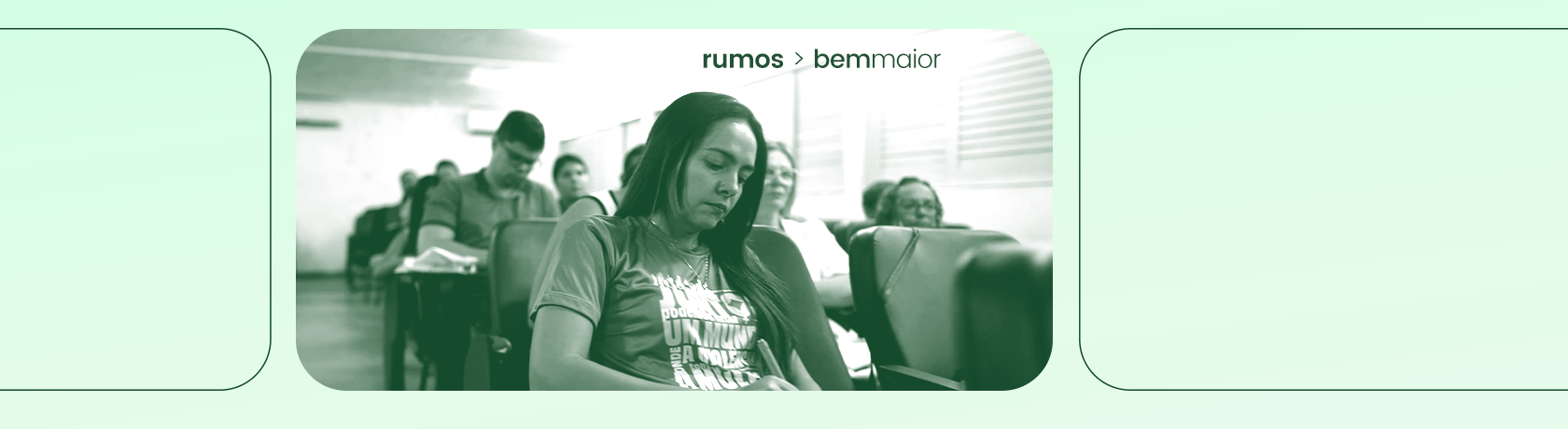
Alavancas focuses on training as a tool to activate structural changes. Technical staff from government departments, managers, and educators underwent a robust training process, with live online classes, in-person meetings at local centers, and content ranging from the history of legislation to inclusive pedagogical practices.
Among the topics covered are: accessibility, pedagogical strategies, school management, inclusive physical education, comprehensive education, and the connection between health and education. All of this is approached through community participation and active listening to school teams.
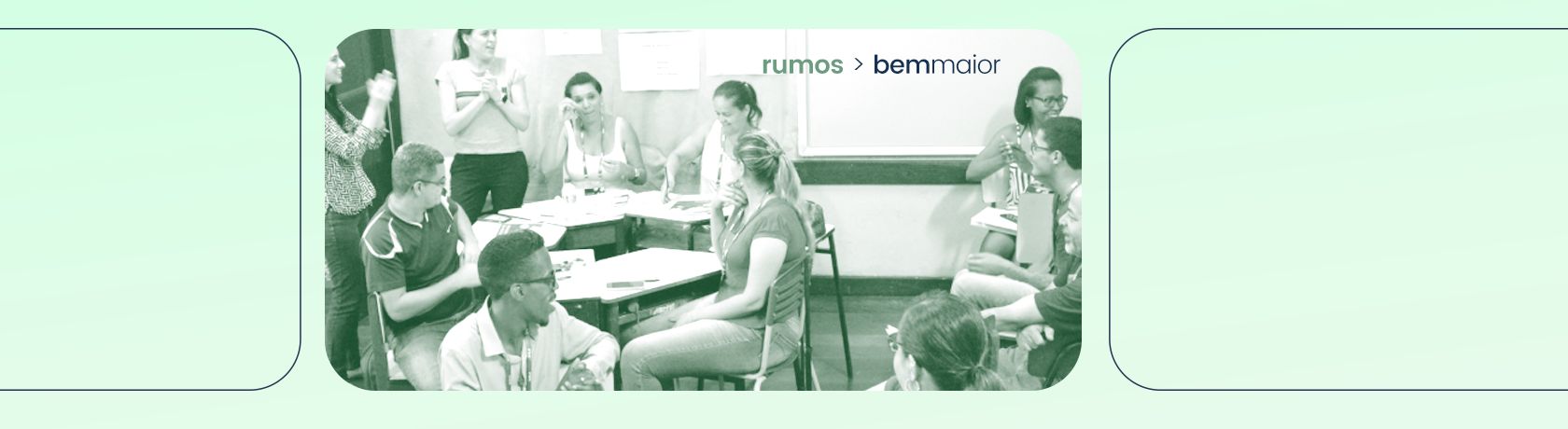
During the process, course participants were invited to map the barriers and facilitators of accessibility in their own schools and, based on this, create collaborative projects focused on student autonomy, empowerment, and development.
When public policy arises from practice
What sets the project apart is precisely the back-and-forth movement between territories and public inclusion policies. After the training, the IRM team visited each participating municipality to learn about the proposals, interact with the communities, and monitor the development of policies that are now rooted in the reality of each territory.
"When a municipality creates an inclusive education policy involving the various departments of its administration, we see a game-changer."
— Rodrigo Mendes, founder of IRM
The intersectoral approach proposed by the project ensures that the various vectors necessary for inclusion—such as transportation, health, education, and infrastructure—are covered. Furthermore, by creating an official public policy, municipalities gain access to a dedicated budget, an essential factor for ideas to move from concept to action.
"The result is a new horizon of possibilities for children with disabilities, who now have a real chance to develop, pursue their dreams, and achieve their autonomy."
— Rodrigo Mendes
At the end of the training, all participating municipalities were able to finalize the drafting of their Municipal Policies for Inclusive Special Education , created collaboratively based on active listening, territorial data, and the involvement of the Education, Health, and Social Assistance departments. In 2025, the project phase is dedicated to supporting the networks in the officialization and implementation of these policies.
The Alavancas project has paved the way for inclusive education to move beyond the individual will of educators and administrators—who are often susceptible to changes in management and political will—and become a solid and continuous structure within public education systems .
Strengthening this type of transformation is part of the strategy of the Bem Maior Movement , which, under the Focus pillar, supports initiatives capable of addressing the structural causes of inequality in Brazil. By investing in the institutional development of organizations like the Rodrigo Mendes Institute , we seek to broaden the reach of public policies that originate from the community and have the potential to generate lasting impact—especially in the lives of children and adolescents historically excluded from educational processes. Alavancas is an example of how this is achieved.
About the series "Paths to the Greater Good"
"Directions to the Greater Good" is a series of stories that reveals, in practice, how initiatives supported by the Greater Good Movement are driving real transformations in their territories and causes. Each story brings to light inspiring trajectories of organizations that, with support and networking, strengthen community ties, expand opportunities, and build sustainable paths to development for Brazil.


 ">
">