Neste domingo, 16 de outubro, comemora-se o Dia Mundial da Alimentação, uma data que serve para a reflexão sobre a situação do Brasil e do mundo quando o assunto é comida no prato. Infelizmente, a fome cresceu no planeta e atingiu 9,8% da população global em 2021, segundo um relatório lançado pela Organização das Nações Unidas. No Brasil, os dados também são chocantes. O 2° Inquérito Nacional sobre Insegurança Alimentar no Contexto da Pandemia da Covid-19 no país apontou que 33,1 milhões – cerca de 15,5% dos brasileiros – vivem em situação de insegurança alimentar grave.
Em um cenário assim, o trabalho de organizações da sociedade civil se torna essencial para combater a fome hoje, neste momento, e também para promover mudanças sistêmicas que construam um amanhã mais digno e justo. Para transformar essa trágica realidade, é preciso mobilização e apoio. Neste post do blog do Movimento Bem Maior, são apresentadas cinco organizações que passaram pelo programa Futuro Bem Maior e que têm a alimentação no DNA de suas atuações. Confira abaixo:
Instituto EcomAmor – GO
Alimentação, agroecologia, educação socioambiental e comunidade são os pilares da atuação do Instituto EcomAmor, que busca conectar as pessoas para construção de cidades sustentáveis com ações em Goiás.
Desde a primeira iniciativa do grupo, que foi a de reunir informações relacionadas à segurança alimentar e incentivar hábitos alimentares mais saudáveis em 2015, a ideia de ampliar o impacto foi sendo desenvolvida e aprimorada. O resultado foi o nascimento dessa organização que, hoje, semeia futuros com a educação socioambiental em escolas.
Uma das iniciativas de sucesso foi o projeto “Da Horta para a Merenda” no qual as escolas participantes receberam formação continuada com encontros presenciais com temas como “horta na escola” e “fortalecimento de comunidades”.
Sementes em Movimento – RJ
O Projeto Social Semeando Amor atua há 20 anos na comunidade de Rio das Pedras, na região de Jacarepaguá, no Rio de Janeiro, combatendo a fome e realizando atividades educativas e ambientais.
Em meio a esse trabalho, foi criado em 2019 o coletivo Sementes em Movimento, que surgiu da intenção de ensinar os moradores a aproveitar integralmente os alimentos, evitando o desperdício de comida.
Com o apoio recebido no Futuro Bem Maior, o coletivo conseguiu promover cursos de capacitação voltados para o aproveitamento integral de alimentos e a comercialização dos produtos produzidos por meio desse processo de reaproveitamento. Esse projeto, além de evitar o desperdício, teve como objetivo possibilitar que as pessoas criassem uma fonte extra de renda.
Instituto Novo Sertão – PI
O Instituto Novo Sertão, que tem a sua sede na cidade de Betânia (PI), desenvolve projetos de transformação social e estabelece parcerias com outros municípios para compartilhar tecnologias sociais e capacitar mais pessoas pelo interior do estado.
A história do grupo começou em 2012 com ações emergenciais, como a de levar comida, água e roupas para pessoas que viviam em extrema pobreza durante uma severa seca. Para mudar completamente a situação e transformar o sertão, um grupo de amigos decidiu formalizar o Instituto Novo Sertão em 2015.
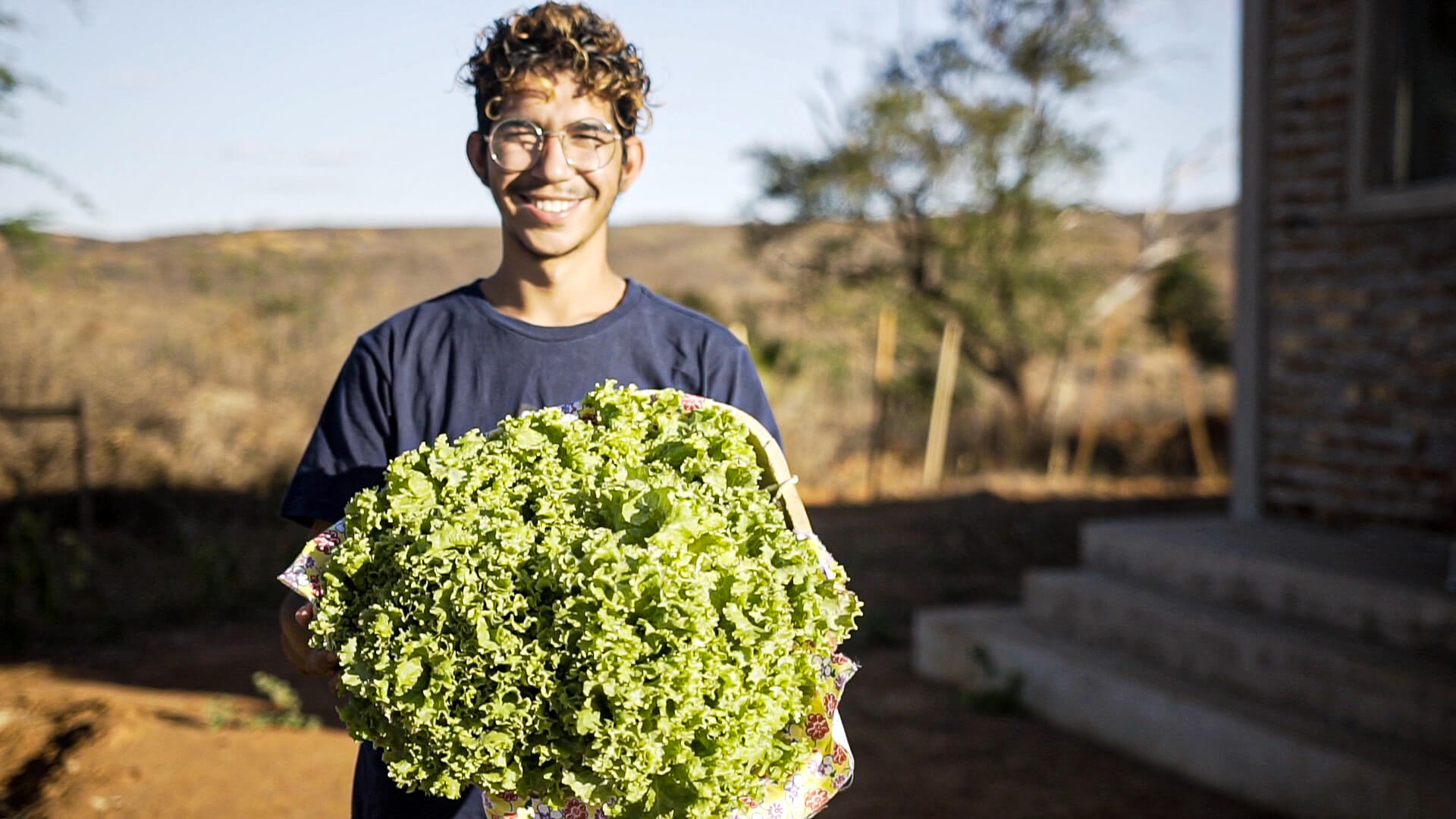
Muito já se fez. O projeto “Quintais Produtivos”, por exemplo, atendeu comunidades em situação de insegurança alimentar e extrema pobreza por meio da agroecologia, de capacitações técnicas e da transição da produção monocultural para a agricultura de base familiar, tudo contextualizado à realidade do semiárido.
Instituto Brotar – CE
O Instituto Brotar atua no interior do Ceará, com a missão de promover a agroecológica e a transformação social do semiárido. Formada por um grupo de colaboradores, a organização busca ampliar oportunidades para crianças, jovens, idosos e famílias do campo.
O projeto “Comunidades Vivas”, por exemplo, visa gerar segurança alimentar, preservação ambiental e renda para as famílias, com a implantação de tecnologias como biodigestores e bioágua.
O biodigestor aproveita o esterco dos animais para produção de biogás no lugar do gás de cozinha. Já a bioágua reutiliza a água de lavagem de pratos, roupas e outras ações para a irrigação de hortaliças, frutas e plantas medicinais, depois de um processo de filtragem.
Núcleo de Educadores Populares do Sertão (NEPS) – PE
O NEPS surgiu em 1997 e desenvolve tecnologias sociais para a convivência com o semiárido, valorizando a cultura da região e incentivando lideranças na comunidade. O trabalho contribui de forma sistemática para a produção de conhecimento, atendendo pequenos produtores por meio da oferta de soluções adaptadas às realidades locais.
O grupo estimula a produção de agroecologia e de alimentos de base orgânica em projetos interessantes, como a iniciativa “As Mulheres Rurais Cuidando do Roçado e da Natureza”, que apresenta atividades direcionadas para trabalhadoras rurais, como o cultivo de hortaliças para alimentação e geração de renda.
No Instagram do NEPS, é possível conhecer o resultado dos projetos, como o de quintais produtivos, cultivo de hortaliças em solo pedregoso e o armazenamento de água para períodos de estiagem.
Gostou das iniciativas? Compartilhe com quem também precisa conhecer e acompanhe as ações!



 ">
">