Se você pretende viver em um mundo mais justo, não faltam razões para praticar a filantropia e ajudar a enraizar a cultura de doação na nossa sociedade. O Movimento Bem Maior reuniu cinco motivos para mostrar que a hora de agir é agora. Não é nada complicado, basta querer. E a sua participação pode fazer a diferença na vida de muita gente, inclusive na sua.
1) Você faz parte do mundo
Como os dicionários nos mostram, a palavra filantropia significa ‘amor à humanidade’ e ‘generosidade com os outros’. Só o sentido literal já seria um grande motivo para todos entenderem a sua importância. Mas, diante de tanta desigualdade social, é ainda mais clamorosa a necessidade de espalhar a solidariedade. Não vivemos em bolhas nem podemos fechar os nossos olhos, ignorando tudo o que está ao nosso redor. Pelo contrário, temos que exercitar o nosso olhar empático, de nos identificar com a situação de uma outra pessoa e procurar agir para mudar a realidade do nosso país. Existe uma clara interdependência, todos nós somos corresponsáveis pelas situações atuais. A sociedade civil organizada tem um papel central para construir um país melhor.
2) Inúmeras causas precisam do seu apoio
Com a crise da Covid-19, foi necessária a realização de muitas doações emergenciais, como entrega de máscaras e de comida. No entanto, inúmeras causas importantes continuam a precisar de apoio. Em meio a tantos problemas, como escolher uma causa para começar a ajudar? Um bom caminho é identificar as causas que toquem o seu coração. Converse com familiares e amigos, busque informações, pesquise na internet e veja as demandas. Tente escolher um projeto que combine com o seu perfil. Se você gosta de praticar alguma modalidade esportiva, há várias instituições que trabalham com crianças e jovens por meio do esporte e da educação juntos. Se você curte viajar, apoiar projetos que auxiliam refugiados pode gerar uma grande empatia. Olhe para o trabalho daquela pequena organização que atua no seu bairro, você poderá se identificar com ela. Depois de escolher uma causa, procure colocar a doação como uma ação fixa no seu planejamento financeiro mensal. Isso é relevante para que as organizações possam se organizar e manter seu funcionamento mesmo em períodos em que as contribuições são menores.
3) As ONGs fazem um trabalho essencial
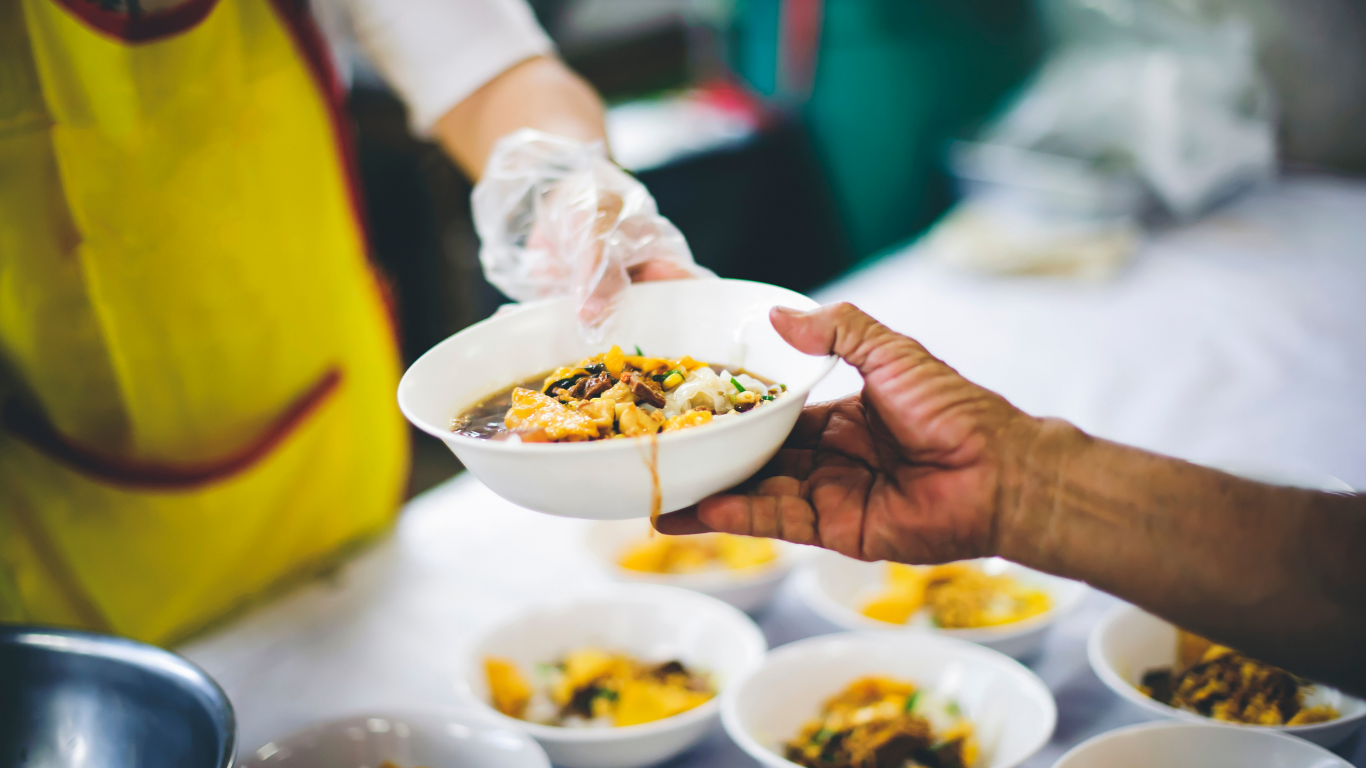
As ONGs, apoiadas por vários setores da sociedade, foram protagonistas de muitas ações para socorrer a sociedade durante a pandemia. Atividades extremamente importantes, como a de levar comida a quem precisava, foram noticiadas com maior frequência pelos jornais, TV e internet. O avanço da tecnologia também tornou mais fácil acompanhar as iniciativas das organizações, checar a transparência, e conhecer o impacto gerado a partir das doações. Assim, as pessoas passaram a conhecer mais o trabalho sério e dedicado das entidades, e o reflexo foi o crescimento da confiança da população no terceiro setor. Segundo a Pesquisa Doação Brasil, coordenada pelo IDIS (Instituto para o Desenvolvimento do Investimento Social), a confiança nas organizações, entre os doadores, subiu de 74% em 2015 para 93% em 2020. Já o índice de pessoas que não doam por não confiar nas instituições caiu de 17% para 4% em cinco anos.
4) É possível doar mais que dinheiro
É comum nos depararmos com anúncios de grandes doações no noticiário. No entanto, não devemos associar a imagem de grande filantropo a somente bilionários norte-americanos. Todos podem realizar doações que cabem no bolso, que também transformam realidades. E é possível doar também de outras maneiras: você pode simplesmente compartilhar um pouco do seu tempo, do seu trabalho e do seu carinho por meio do voluntariado. Essa é uma experiência com um poder transformador. Ao se envolver diretamente nas ações, o voluntário tem a oportunidade de ver, de perto, o impacto gerado pelas ações e tem a chance de receber, como agradecimento, um abraço ou ganhar um sorriso da pessoa beneficiada.
5) Construir um legado positivo
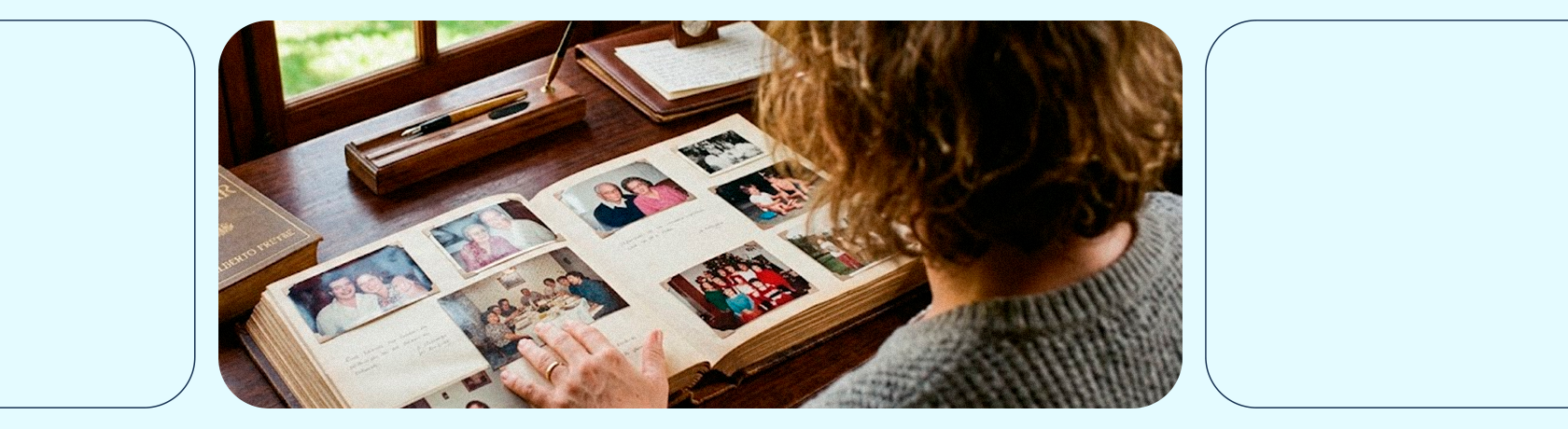
Precisamos sempre lembrar que somos efêmeros e que no nosso dia a dia construímos um legado para deixar para as próximas gerações. A partir de nossas ações, servimos de exemplo para os nossos filhos e netos. Gestos atenciosos e simples de um pai ou uma mãe representam importantes lições. Ao tratar as outras pessoas sempre com respeito, mostra-se às crianças que ninguém é melhor do que ninguém. Ensinar que doar uma roupa é uma forma de ajudar alguém que esteja precisando, e não porque o item é uma sobra, significa transmitir uma valiosa orientação. Deixar de utilizar o seu carro particular quando possível para não deteriorar ainda mais a condição climática significa outra lição. Para deixarmos um mundo melhor como herança, é importante agir agora e também plantar as sementes para o futuro.
Carola Matarazzo
Diretora executiva do Movimento Bem Maior



 ">
">