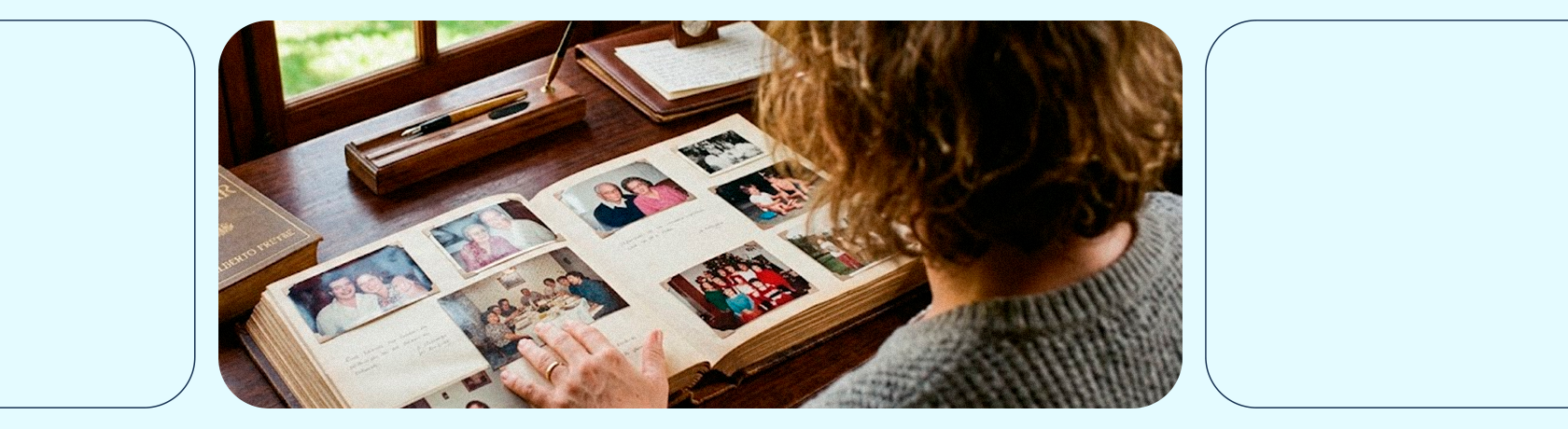
Intergenerational dialogue in philanthropy is the path to transforming legacy into strategic continuity and shared impact.
Family philanthropy involves both inheritance and building. It connects what has already been done with what still needs to be imagined. And between the past and the future, intergenerational dialogue can define what remains, what changes, and how to move forward.
This theme has been recurrent in the Bem Maior Movement, whether in conversations with philanthropists, in the Conexões em Movimento, or in studies on the field of philanthropy in Brazil.
In this article, we discuss why intergenerational dialogue is relevant and what can happen when it is practiced with listening, clarity, and responsibility.
Family legacy as continuity in intergenerational dialogue in philanthropy
Philanthropy is a space where complex issues gain visibility: privilege, values, purpose. In many cases, this conversation begins at home and unfolds into decisions about how to contribute to the world .
As Daniela Fainberg , a consultant specializing in intergenerational mediation and family philanthropy, observed :
"Often, this conversation begins in the dining room, but it takes shape and meaning within the realm of philanthropy."
When intergenerational dialogue in philanthropy occurs openly, it is possible to align perspectives and make decisions that combine the experience of those who came before with the attentive gaze of those who are arriving now.
The Brazilian landscape of philanthropy and the urgency of dialogue
The research "Pathways to Family Philanthropy," published by IDIS – Institute for the Development of Social Investment in 2025, shows that many families are still in the early stages of structured succession planning.
- 40% of family philanthropists are first-generation
- 59% report their children's involvement in philanthropic decisions
In other words, family involvement already exists, but not always with clear roles or planning for the future. Given this, intergenerational governance becomes a key point. According to IDIS, more structured families are creating councils with representatives from different generations, spaces for listening and co-creation, which help align expectations and responsibilities among family members.
The study also points out that developing new generations is one of the main challenges for families. At the same time, the main reasons that lead families to philanthropy include giving back to society, transmitting values, and building a legacy. This data reinforces that there is an intention for continuity. The challenge is to transform it into practice, and dialogue is one of the most effective tools for this.
Active listening as the basis for intergenerational dialogue
Daniela also observes:
“Generations coexist within the same world, but they see that world through very different lenses… This difference doesn't have to be conflictual, but it needs to be recognized as real.”
In the context of family philanthropy, listening is as important as deciding. Sometimes, younger people push for change; older, more experienced people prefer stability. Intergenerational dialogue, by mediating these times and perspectives, fosters more mature, adapted, and sustainable decisions.
The role of the new generation
In the "Connections in Motion" segment, we spoke with Marina Feffer, co-founder of Generation Pledge and a fourth-generation member of the founding family of Suzano.
She highlighted the importance of rethinking the role of great fortunes and building a legacy that aligns with contemporary challenges. In their work, Marina and her network adopt the LEB as an engagement methodology:
- Look with Courage
- Envision with Rigor
- Build with Excellence
This model proposes that each generation connect with the past, but without being limited to it. Intergenerational dialogue in philanthropy, in this case, becomes a tool for aligning values and action with authenticity.
The role of MBM in promoting intergenerational dialogue in philanthropy
In the Bem Maior Movement, dialogue takes place both in relationships with associated and in partnerships with organizations . At the same time, MBM's actions have contributed to strengthening connections between different generations, social classes, and backgrounds.
Not surprisingly, encouraging diverse exchanges and collaboration between complementary perspectives is part of a pluralistic, strategic philanthropy connected to the real challenges of Brazilian society. Therefore, intergenerational dialogue goes beyond being an instrument of continuity; it also allows for reviewing what has been done, reorganizing priorities, and incorporating new ways of working.
In other words, social legacy remains relevant when there is room for transformation. And for that to happen, transformation often requires listening before deciding.
And you? Have you already started this intergenerational dialogue in your family or organization? How have different generations participated in decisions about donation, purpose, and impact?
Let's continue this conversation.


 ">
">