Na semana passada, tive a felicidade de participar do 12° Congresso GIFE, realizado em São Paulo (SP). Foram três dias intensos de encontros, reencontros e muita escuta, sobretudo em conversas pouco confortáveis, mas necessárias.
Voltei para o Rio, na noite de sexta, com a cabeça borbulhando e passei o final de semana digerindo tudo o que vivi. Como bom jornalista, a melhor forma que encontrei para organizar as ideias foi escrevendo – e compartilho aqui algumas impressões.

Equidade racial no centro
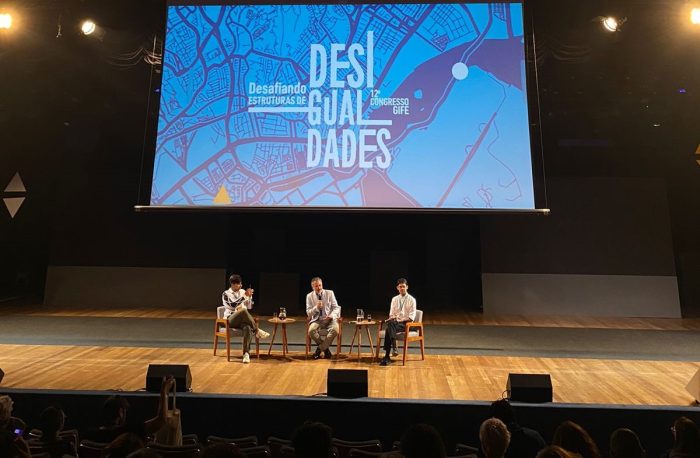
O tema do congresso foi “Desafiando Estruturas de Desigualdade” e não há como falar de desigualdade sem incluir equidade racial. Se haviam dúvidas sobre isso, as falas dos participantes ao longo da programação logo as sanaram.
A pauta esteve presente em todos os painéis que eu assisti, desde a participação do escritor e ativista Edgar Villanueva, na abertura, até o encerramento, com os belíssimos discursos de Thuane Nascimento (Perifa Connection) e Txai Suruí (Juventude Indígena de Rondônia).
E falando em Rondônia, destaco a exibição do documentário “O Território”, que nos fez mergulhar na luta incansável do povo indígena de Uru-weu-wau-wau contra as invasões e destruição de seu território, no sudoeste daquele estado.
Quem também se sobressaiu no evento foi a turma da Iniciativa Pipa que é, inclusive, a mais nova organização a integrar a rede do MBM! O lançamento do estudo “Periferias e Filantropia” casou numa sincronia perfeita com o evento e o que não faltou foi gente citando a pesquisa nas mesas e em rodas de conversa nos intervalos.
Doação e desigualdades
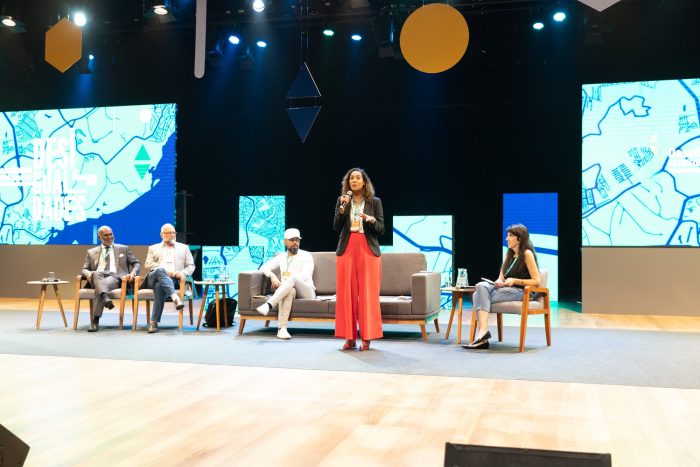
No painel “Quando o grantmaking contribui (ou não) para superar desigualdades?”, pude ouvir Raull Santiago, fundador da Pipa, falar mais sobre o estudo e participar de uma conversa desafiadora com a nossa diretora executiva, Carola Matarazzo, Rodrigo Pipponzi (Grupo MOL e Instituto ACP), Daiane Pereira Sousa (Instituto Baixada) e Fábio Tran (Imaginable Futures).
A sala lotada foi um sinal do interesse do público pelo tema. E os 4 participantes discorreram sobre pontos como descentralização de recursos, transparência de poder e protagonismo, criação de espaços de escuta ativa e se o setor filantrópico está preparado para a equidade racial.
Encontros
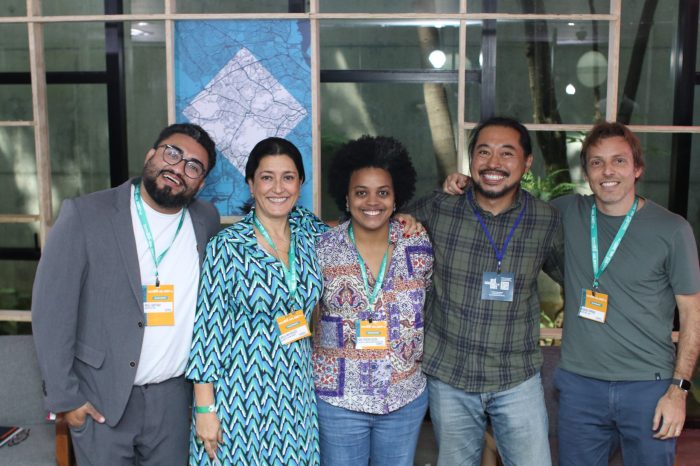
O saguão do Memorial da América Latina, onde foi realizado o congresso, foi um espaço de muitos encontros e reencontros. Foi o primeiro evento do campo social que participo após a pandemia e foi bom demais estar em um ambiente tão propício para trocas. Teve conversa sendo posta em dia, oportunidade de parcerias nascendo e gente nova se conectando.
Deixei São Paulo com alguns temas girando na cabeça, como a decolonização da filantropia do já citado Edgar Villanueva, o afeto da fala da ministra Anielle Franco sobre racismo estrutural e o compromisso da filantropia com o enfrentamento das desigualdades sociais debatido no painel “Possibilidades para um Brasil sem fome e miséria”.
Incômodo e vontade de agir são os dois sentimentos que experimentei no congresso e que agora seguem comigo, ainda sacudido por tudo o que ouvi, mas mais seguro do que precisa ser feito daqui para frente quando encaramos os desafios sociais do país.
Como destacou Diane Pereira Sousa em uma de suas falas, “é cômodo falar em redução das desigualdades se você não vive em situação de vulnerabilidade social. O termo certo deve ser ‘acabar com as desigualdades’. Pode soar ousado, mas nós precisamos ser ousados”.



 ">
">