At first glance, Trust-Based Philanthropy seems like a simple concept. But putting it into practice requires innovation, listening, and openness to new ideas. At its core, this approach starts from the premise of rebalancing the relationships between funders and social organizations, promoting bonds of mutual trust as the basis for systemic impact. Unlike traditional philanthropy, marked by centralized dynamics and micromanagement, it values the autonomy of organizations, recognizes the legitimacy of field knowledge, and bets on continuous dialogue. After all, those who experience the problem are closer to the solution.
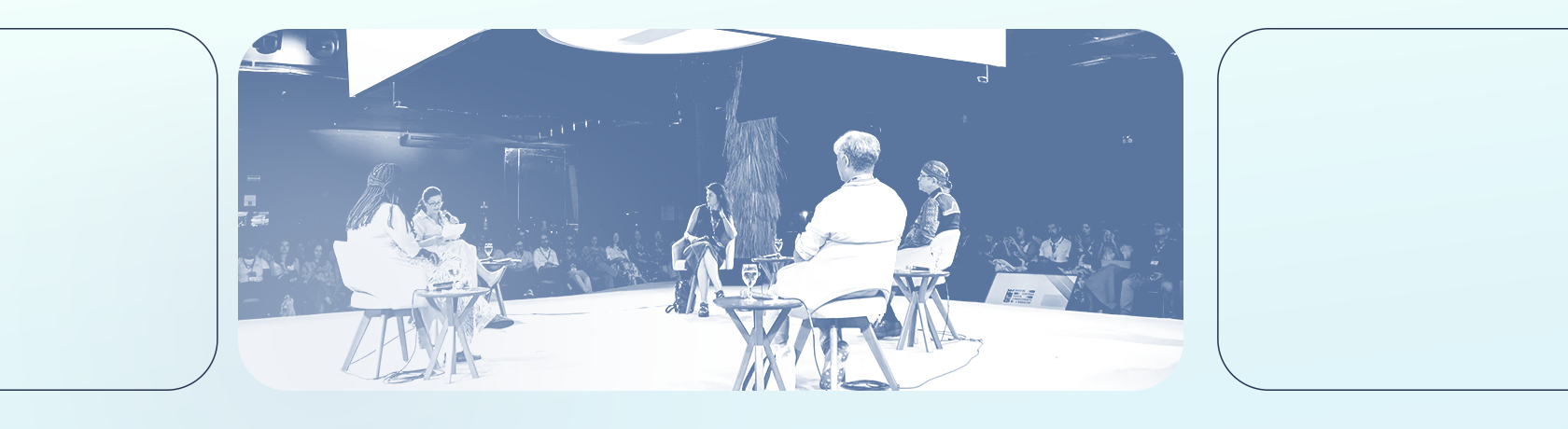
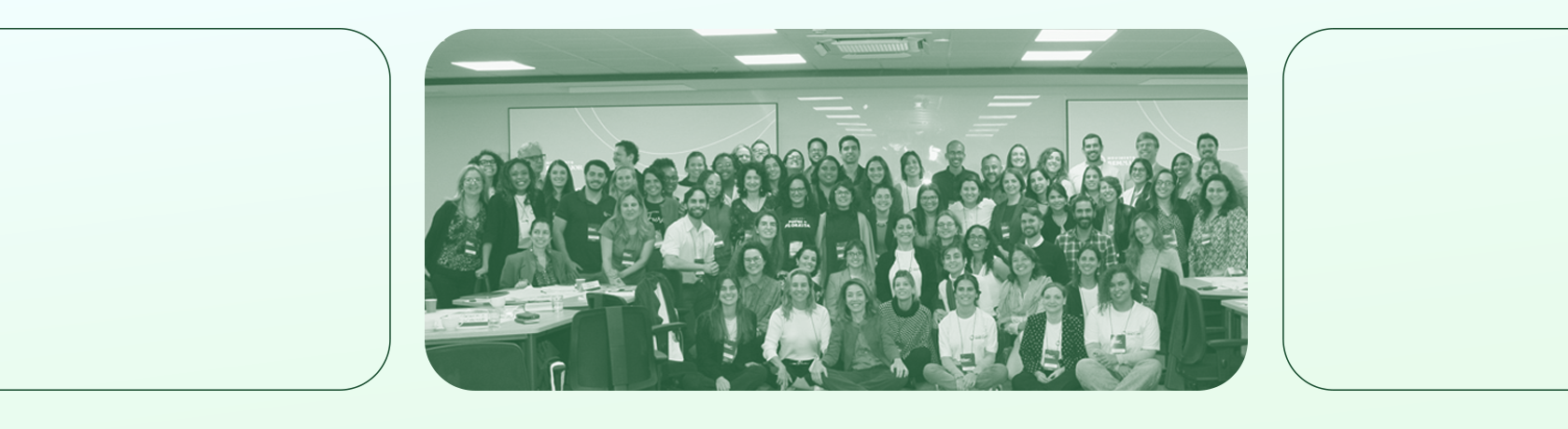
It was in this spirit that, on May 28th, the Bem Maior Movement took another concrete step in this direction by holding the 1st Meeting of Social Organizations. We gathered in São Paulo 65 representatives from organizations that make up our current portfolio of private social investments. A morning dedicated to listening and collective building—with interaction, sharing of learnings, and networking.
In the program, we organized 13 thematic panels across four areas — Fundraising, Partnerships and Collaboration, Social Measurement, and Technology — which represent the main areas of interest for the organizations supported by MBM. The presentations highlighted structural issues, such as the need to strengthen the culture of giving in Brazil, advance in measuring intangible impacts, and ensure institutional sustainability beyond one-off projects.
Concrete solutions were also presented, such as the use of technology to engage donors, the creation of diversified financial products, the strengthening of local networks, and the importance of actively listening to beneficiaries. The collective intelligence that emerged from this meeting is a living example of collaboration built on trust—and a genuine desire for long-term cooperation.
The meeting opened with an inspiring speech by businessman and philanthropist Elie Horn, who gave each organization time to introduce themselves and then challenged the audience on what we need to change to transform Brazil. Following this, our executive director, Carola Matarazzo, highlighted an essential distinction between collaborating and cooperating, reinforcing that we are being called upon to build genuine bonds, rather than aligning interests. In closing, Fernando Iunes, president of the MBM Council, reinforced the strategic role of collaboration as a lever for systemic impact.
The decision to hold the Meeting stemmed from a desire to deepen this approach beyond formal processes—and beyond Zoom screens, email bridges, and conversations in virtual groups. The proposal was to create a real space for active listening, horizontal exchanges, and strengthening ties between the organizations themselves. A moment in which we set aside individual operational challenges and look at collective dilemmas.
Trust-based philanthropy is also a way to redesign support systems for civil society. It involves observation, listening, co-creation, flexibility, and learning. It's almost design thinking applied to the field of relationships—I particularly like to correlate it with the concept of Human-Centered Design, in which people are at the center of processes and strategy. Trust-based philanthropy transforms financial support into a co-authorship experience.
Inspired by this vision, MBM developed internal tools aligned with this design approach. One example is our Relationship Thesis, which represents the journey of building trust with each supported organization. Trusting relationships presuppose active listening, human presence, willingness to engage in difficult conversations, acceptance of vulnerabilities, and time to cultivate genuine bonds.
Our thesis is linked to the follow-up process, in which each stage deepens the relationship built: Immersion is a moment of initial connection; the Definition of Agreements is a mutual commitment; Follow-up is the experience of trust in practice; and the Results are celebrated as fruits of the power of the relationship.
Furthermore, transparency is an essential value. If we desire deep relationships, MBM also needs to be open and clear: we explain how our support cycles work, the reason for requests such as periodic reports, how we construct our indicators, and how we communicate portfolio results to our members and society.
Trust-Based Philanthropy is not just a new way of managing private social investments. It's a new way of relating—between organizations, funders, causes, and people. The Meeting was a reminder of this: creating spaces for face-to-face exchange strengthens bonds, disseminates best practices, and brings us closer to the purpose that drives us. It is in long-term connections that we place our bet to transform and sustain a living ecosystem of social impact.



 ">
">