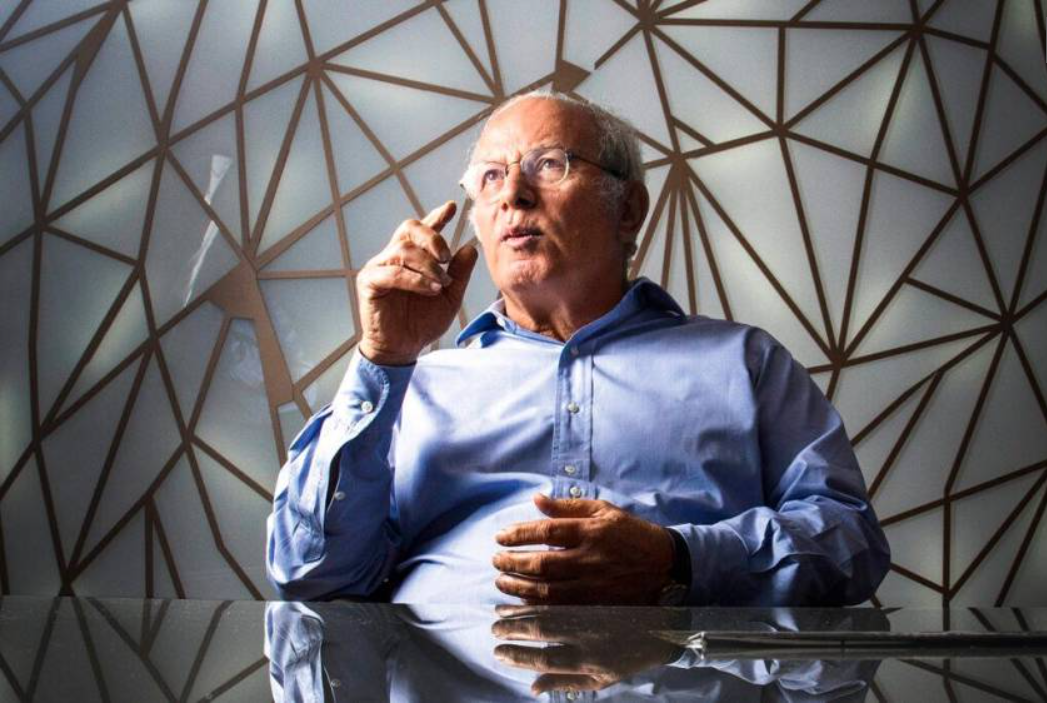
No manifesto do “The Giving Pledge”, o brasileiro Elie Horn e sua esposa reafirmam o fato de que, como seres humanos, não vão levar nada consigo “para o outro mundo” e acrescentam que “as únicas coisas que importam são as boas ações que fazemos.”
O empresário lembra que seu pai deu 100% do que tinha e por isso é tão importante para ele a sensação de que ele também fez todo o possível para dar sentido à sua missão “neste mundo”.
Uma de suas grandes causas é ajudar a comunidade israelense. Como um filantropo escolhe no que focar?
“Os filantropos devem seguir seu bom senso. Todo mundo tem suas próprias prioridades, todo mundo tem seus próprios bairros, suas crenças, então devemos tentar adaptar os desejos de nossas mentes e corações às necessidades do mundo. Ninguém fará nada sem antes ser convencido. Do jeito que eu vejo as coisas, cada um tem sua religião, país, cidade, valores familiares, trabalho, amigos, a gente deve tentar fazer um consenso de tudo e seguir em frente, é só fazer. O principal problema é o ‘fazer’, não o ‘onde’ ou o ‘como’, é o ‘fazer’. Se ninguém fizer nada, temos um problema. Então vamos fazer alguma coisa e então o resto é fácil.”
Como você vê a América Latina e a filantropia e por que você acha que não é tão comum neste continente?
“Provavelmente a cultura latina não permite que as pessoas dêem muito, é uma sociedade muito materialista, as pessoas pensam muito em si mesmas, em sua família e em seus bens, esquecendo que existem outras pessoas no mundo. Acredito que quando identificamos um problema, temos imediatamente a solução. Precisamos focar não nas dificuldades, mas no quanto nos importamos e no quanto estamos fazendo, conscientizar mais pessoas sobre as soluções e ajudar o mundo. Um dia isso vai acontecer, só espero que não seja tarde demais.”
Que desafios você enfrentou como filantropo?
“Não tive nenhum problema, desse ponto de vista. Pelo contrário, sempre ouvi coisas positivas e vi pessoas dispostas a ajudar. Eu diria que não houve confronto com nada. Precisamos fazer mais, não enfrentar mais.”
De quanto dinheiro uma pessoa como você precisa para viver bem se você é capaz de abrir mão de sua fortuna para ajudar os outros?
“Não é sobre quanto você gasta, mas o que você dá. Aquilo é importante. A palavra desapropriar não está correta, a palavra é investir. Saque é quando você joga alguma coisa fora, quando você investe em filantropia, ganha dinheiro e não perde, aí você não saqueia, pelo contrário, você fica rico. É o oposto do que você pode pensar. Se você leva uma vida normal, não é difícil viver, é difícil ter prazeres e luxos exagerados. Você pode viver bem com pouco dinheiro e sem problemas.”
Em sua experiência, como a filantropia evoluiu nos últimos anos?
“Acho que a filantropia está avançando porque mais pessoas estão cientes do problema. Todos querem ajudar, mas infelizmente isso não é suficiente para livrar o mundo da pobreza, da injustiça e garantir direitos justos. Precisamos agir de forma colaborativa, não apenas individualmente. Eu sei que um dia chegaremos lá. Só espero que não seja tarde demais.”
A habitação também tem sido o seu pilar de sustentação, porque se interessa especialmente por esta área?
“Não estou particularmente interessado neste assunto. Tenho muitos temas que me interessam, habitação é um deles, mas não é o principal. Dada a minha experiência no setor imobiliário, decidimos assumir o desafio, junto com a Gerando Falcões, uma conhecida ONG brasileira, de consertar 1 milhão de casas nas favelas. Pode ser mais fácil falar do que fazer, vamos ver. Mas não vou dizer que a habitação é a minha prioridade, a habitação é uma das nossas prioridades.”
O quanto a filantropia mudou com o advento de uma pandemia, ou seja, o quanto as maiores e mais impactantes áreas de necessidade mudaram na sociedade quando vistas de uma perspectiva filantrópica?
“Acho que a filantropia está crescendo, integrando e evoluindo mais rápido. Eu acho que a pandemia acelerou as coisas, tudo está tão conectado agora, por causa da tecnologia, e-commerce, e aparentemente a filantropia está indo mais rápido também. Até quando, não sei, mas é mais rápido e as mudanças são positivas”.
É possível viver na América Latina como filantropo?
“Porque não? Claro que é”.
POR CLAUDIA ARANGO HOLGUÍN | Tradução livre
Esta entrevista foi originalmente publicada no site do jornal El Colombiano.


 ">
">