Tem alguma dúvida? Você pode entrar em contato com a gente preenchendo os campos abaixo:
Blog/Sem categoria/Webinar discute impactos da pandemia na filantropia
Webinar discute impactos da pandemia na filantropia
4min de leitura
Por Guilherme Mattoso
out 2020
">
Evento realizado pelo Movimento Bem Maior destacou oportunidades e desafios da Covid-19 para a cultura de doação.
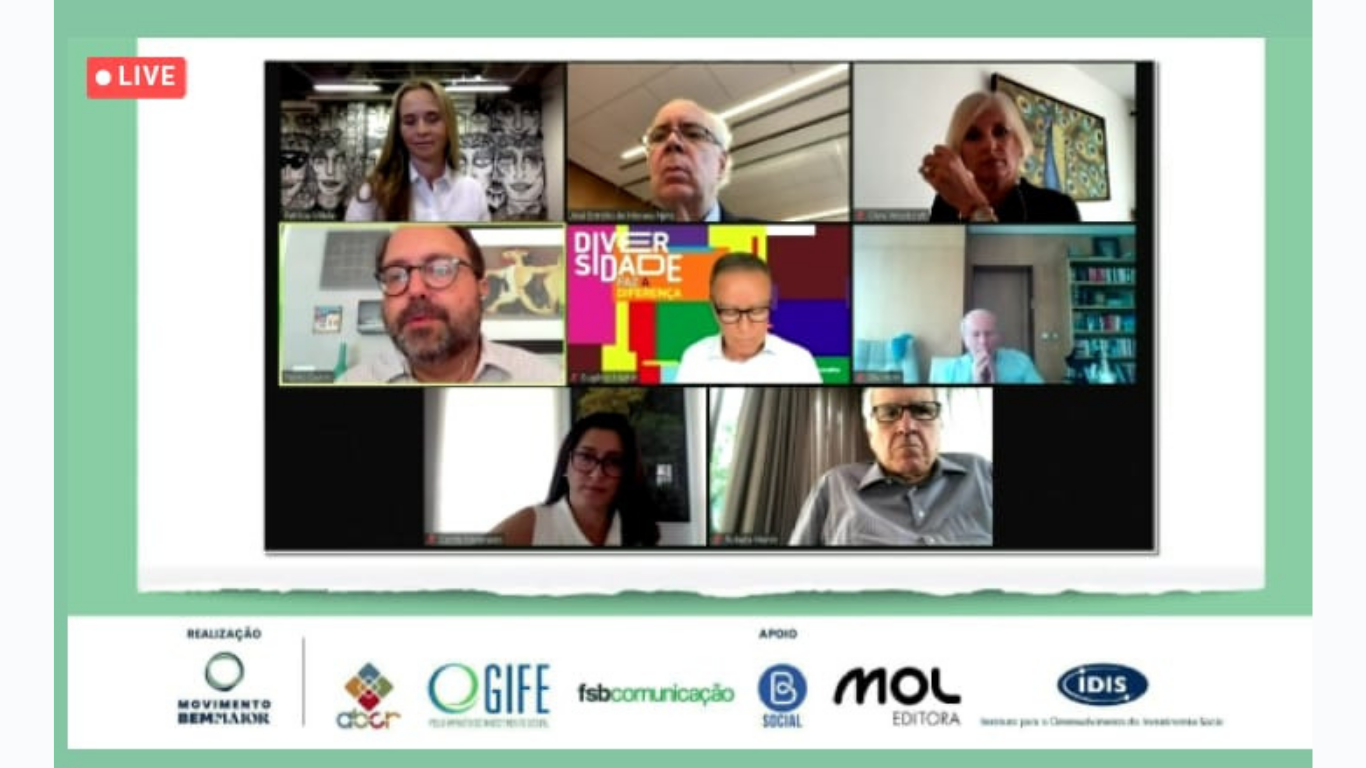
Os impactos da pandemia de Covid-19 na filantropia em todo o mundo, o trabalho colaborativo entre Terceiro Setor, empresas e governos, o legado familiar filantrópico e os fundos patrimoniais foram alguns dos temas do webinar “Diálogos do Movimento Bem Maior: Filantropia Estratégica no Brasil e no Mundo”, realizado nesta quinta-feira (29/10). A série de eventos, destacou a diretora executiva do Movimento Bem Maior, Carola Matarazzo, pretende amplificar a voz da sociedade civil organizada e trazer diversidade para o horizonte da filantropia estratégica no país.
A palavra inicial foi de Clare Woodcraft, diretora executiva do Centro de Filantropia Estratégica da Universidade de Cambridge, que apresentou os primeiros resultados da pesquisa “Filantropia em tempos de Coronavírus”. O objetivo do estudo foi avaliar a filantropia em países emergentes no contexto da pandemia a fim de identificar oportunidades e desafios.
Segundo Clare, a pesquisa trouxe três achados principais: o empoderamento de organizações receptoras de países emergentes, como o Brasil, que passaram a implementar melhores práticas de gestão; um processo mais flexível e menos burocrático para as doações às instituições, e uma mudança na dinâmica de doação Norte-Sul, com uma aproximação maior entre filantropos e receptores do Terceiro Setor para garantir um impacto mais positivo.
Com moderação de Flávio Castro, sócio-diretor da FSB Comunicação, os participantes também observaram a importância de as empresas sistematizarem uma política filantrópica, evitando o risco da fragmentação das ações. Elie Horn, CEO da Cyrela e cofundador do MBM, destacou que para se criar políticas filantrópicas de impacto, é preciso ter foco e investir em pesquisas.
“Precisamos de evidências de que uma intervenção realmente vai funcionar. A gente acredita que as pessoas em situação de pobreza precisam de x ou de y, sem dados. Precisamos conhecer as lacunas a serem preenchidas. E entender o que cada um está fazendo, porque talvez outra instituição já tenha encontrado uma forma eficiente de lidar com o mesmo problema e a resposta talvez esteja em parcerias e trabalho colaborativo”, ressaltou Clare.
Rubens Menin, CEO da MRV Engenharia e cofundador do MBM, destacou que, embora tenhamos vários ótimos projetos de impacto social, há ainda uma grande escassez de opções quando se quer doar:
“Quando temos bons projetos, os doadores vêm. Então, para vencer esse jogo, precisamos desse tripé: ter bons projetos, envolver mais os cidadãos na filantropia e colocar as empresas no jogo. Somando esses três pontos, a gente volta ao que é mais importante: mostrar à sociedade como fazer o bem retorna a toda a sociedade, não apenas a quem recebe os recursos”.
Eugênio Mattar, CEO da Localiza e também cofundador do MBM, frisou a importância do legado familiar e do trabalho em rede para o fortalecimento da filantropia:
“Quanto mais famílias e empresas começarem a investir em filantropia, mais legado vamos deixar. E quando se expande na nossa abrangência pessoal, trazendo amigos para a nossa rede, que é o que estamos fazendo no Bem Maior, trazendo pessoas, empresas, governos e instituições, vamos solidificando a importância da filantropia e tornando ela perene”.
A integração de esforços em tempos de Covid-19 também foi pauta do seminário, com destaque para a apresentação de Patrícia Villela, presidente da Humanitas360 e fundadora da Civi-Co:
“Sinto que existe hoje um maior apetite pelo debate sobre políticas públicas porque a sociedade civil tem demandado isso, e noto o apetite pela integração de algumas partes do governo, mas de um modo preponderante, da Justiça. O Conselho Nacional de Justiça, junto com a Humanitas, tem proposto atividades inovadoras dentro de um sistema que carece muito de um olhar mais profundo e transformador, que é o sistema penitenciário. No contexto da pandemia, o CNJ nos permitiu entrar com sistemas tecnológicos para que visitas sociais fossem feitas durante o período de restrição de contato físico e isso fez com que grandes possibilidades de novos motins fossem reduzidas pela melhoria de qualidade de vida, não só para os aprisionados, mas para os servidores público do sistema. E a novidade é que vamos transformar isso numa plataforma de ensino a distância. Já estamos em 3 estados: Maranhão, Paraíba e Rio Grande do Norte”, contou Patrícia.
Os endownments, ou fundos patrimoniais, que asseguram a perenidade no financiamento dos projetos, também estiveram em pauta no encontro. José Ermírio de Moraes Neto, presidente Executivo do Conselho Curador do Hospital AC Camargo Cancer Center, participou do webinar e falou sobre o endownment na área de pesquisas:
“Atualmente o AC Camargo investe R$ 50 milhões por ano em pesquisas oncológicas. A ideia é criar um fundo de um bilhão de reais nos próximos 10 anos fazendo um match com o setor privado de maneira a atingir uma certa autossustentabilidade”.
Por fim, os participantes do painel destacaram que a luta pela garantia de direitos fundamentais já virou quase um privilégio e que é preciso que nós, que estamos nessa posição privilegiada, escolhamos buscar novos caminhos:
“Não podemos lançar mão de jeito nenhum de entender que só vamos ser prósperos se mais pessoas gozarem da prosperidade. Sinto que terminamos essa conversa com um extremo sentido de desconforto. Mas também acho que isso é um avanço, porque só quando todos nós decidirmos nos sentir desconfortáveis, como a maioria já se sente, poderemos nos chamar a todos de nós e não haverá mais nós e eles”, finalizou Patrícia.
O Webinar já está disponível no canal do Movimento Bem Maior no YouTube. Assista:


 ">
">