Evento discute o papel e a formação das redes filantrópicas no país em um momento de agravamento da crise sanitária e econômica
O Brasil viveu um boom de doações nos primeiros momentos da pandemia do novo coronavírus em 2020. Cerca de dois meses após o início da crise, os valores alocados em doações superaram os recordes anuais históricos – ou seja, nunca se doou tanto como no início da crise sanitária e econômica associada à pandemia.
No final de maio de 2020, o crescimento do volume de dinheiro da filantropia começou a desacelerar e praticamente estagnou desde então, de acordo com dados do Monitor de Doações da Associação Brasileira de Captadores de Recursos.
R$ 6,73 bilhões foram doados desde o início da pandemia no Brasil até o início de abril de 2021, de acordo com o Monitor de Doações da Associação Brasileira de Captadores de Recursos.
Em 2021, o Brasil vive o pior momento da crise sanitária, ao mesmo tempo que enfrenta a persistência da recessão econômica. O cenário de agravamento evidenciou novamente a desigualdade no país e a vulnerabilidade social de parcela considerável da população brasileira.
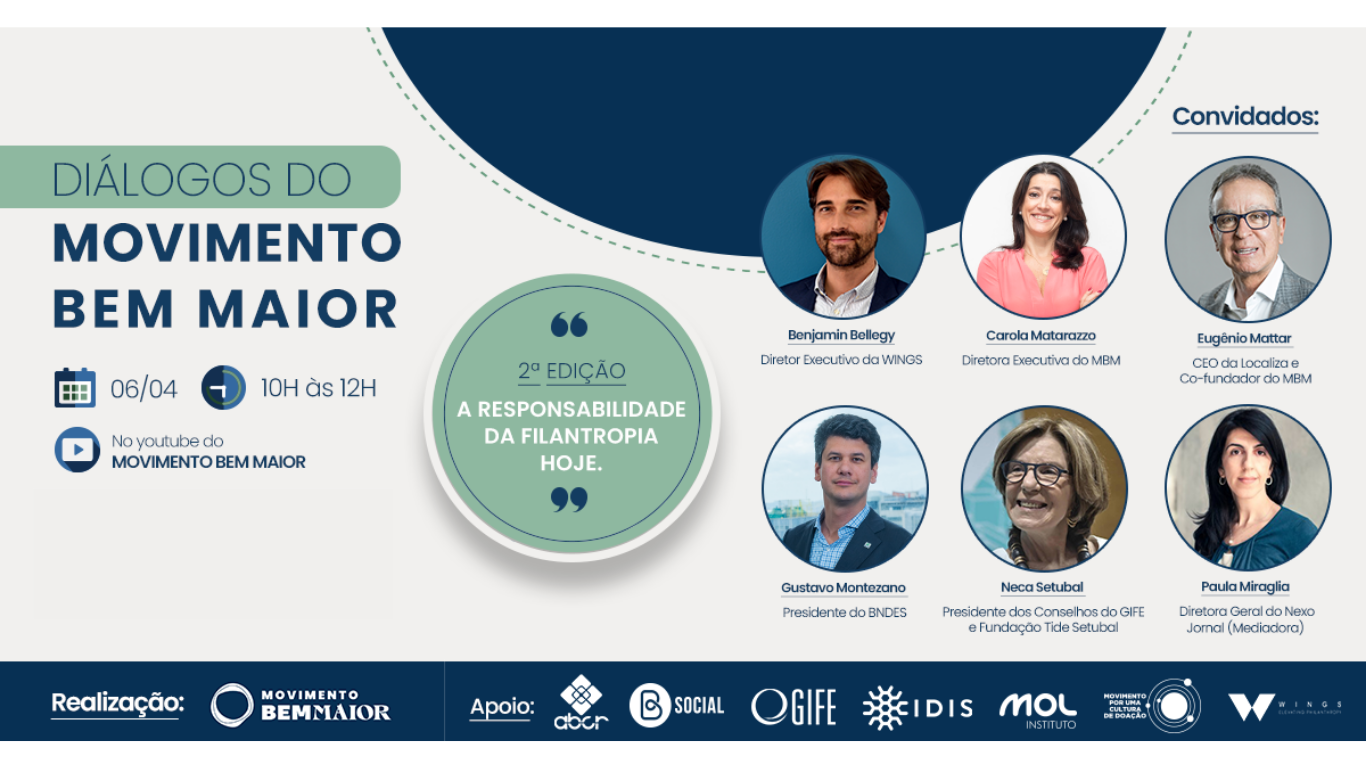
Nesse contexto, o Movimento Bem Maior – que reúne empresários que participam de ações filantrópicas – organizou o debate “Diálogos: a responsabilidade da filantropia hoje” para discutir o papel dos investimentos sociais privados no Brasil, seja na pandemia ou no pós-pandemia. O evento, realizado na terça-feira (6), teve mediação de Paula Miraglia, diretora-geral do Nexo.
Neca Setubal, presidente dos conselhos do Gife (Grupo de Institutos Fundações e Empresas) e da Fundação Tide Setubal, falou sobre a urgência das ações sociais no momento atual, dada a situação de fragilidade e desamparo social em que muitos brasileiros se encontram. “O papel da filantropia no curtíssimo prazo é a segurança alimentar. A filantropia precisa articular neste momento de curto prazo campanhas para mobilizar a sociedade como um todo – as empresas, o setor público – nessa urgência da fome”, afirmou.
Setubal ainda destacou a missão de consolidar a cultura de doação no Brasil, para que esse movimento solidário não se esgote ao fim da pandemia. Para ela, isso passa por fortalecer as articulações de diferentes setores da sociedade civil, que precisam ter como mote o diálogo com quem está na base das ações filantrópicas. Ou seja, é necessário considerar a visão das organizações e pessoas próximas às comunidades que serão ajudadas. Setubal também reforçou a importância de as empresas atuarem e se posicionarem em questões contemporâneas importantes, como desigualdades, questões climáticas e defesa da democracia.
“Nenhum setor ou organização vai conseguir, sozinho, enfrentar o tamanho da crise que estamos vivendo. Essa articulação dentro dos setores e entre os setores é fundamental para a filantropia se consolidar na sociedade brasileira hoje”
Neca Setubal, presidente dos conselhos do Gife (Grupo de Institutos Fundações e Empresas) e da Fundação Tide Setubal.
Eugênio Mattar, CEO da Localiza e cofundador do Movimento Bem Maior, falou sobre a importância de estimular a prática filantrópica como uma forma de desenvolver a cultura solidária no Brasil. De acordo com Mattar, doar e abrir mão de recursos é algo que tem um custo, mas que pode e deve ser visto pela ótica do retorno positivo – que, segundo ele, tem um potencial de se tornar uma paixão.
O empresário afirmou que mais importante do que praticar a filantropia em si – que definiu como a doação de dinheiro, tempo ou até conselhos visando ajudar uma outra pessoa –, a ação de doar tem como dimensão poderosa o exemplo, que ajuda a mobilizar outros agentes e a criar uma rede de engajamento social.
“Como cidadãos, todos podemos praticar a filantropia – da pessoa mais simples à pessoa mais poderosa”
Eugênio Mattar, CEO da Localiza e cofundador do Movimento Bem Maior.
Também participou do evento Gustavo Montezano, presidente do BNDES (Banco Nacional de Desenvolvimento Econômico e Social), que disse que vê espaço para uma parceria entre os setores público e privado e terceiro setor. “Quando falamos de filantropia, falamos de desenvolvimento. Portanto, é função do BNDES e do agente público alavancar [a filantropia] e se alavancar na filantropia, desenvolvendo a cultura e fortalecendo o mercado”, afirmou.
Segundo Montezano, essa articulação é favorecida pela incorporação de premissas de desenvolvimento nos objetivos das empresas. Isso porque cada vez mais as empresas deixam de se pautar somente por objetivos financeiros, assumindo também a busca por retornos sociais e ambientais. De acordo com o presidente do BNDES, os propósitos comuns de desenvolvimento justificam a aproximação dos agentes públicos ao setor de filantropia e àquilo que chamou de “ecossistema do voluntariado”.
“A alavancagem do público com o privado – e não do público versus o privado – é que vai construir a nova agenda de crescimento socioambiental do Brasil”
Gustavo Montezano, presidente do BNDES (Banco Nacional de Desenvolvimento Econômico e Social)
Benjamin Bellegy, diretor executivo da Wings, rede internacional de fomento à filantropia, afirmou que a consolidação da cultura da filantropia no Brasil precisa ser feita com participação ampla de diferentes agentes da sociedade. “Quando pensamos em filantropia, sempre a primeira ideia é Bill Gates. Mas se você olha nos dados, a grande maioria do dinheiro de doações no mundo vem de doações da classe média e baixa – mais do que das empresas ou dos mais ricos”, disse.
Bellengy, portanto, defendeu que a rede filantrópica brasileira cresça explorando o grande potencial de agentes da sociedade civil, para além de empresas e das faixas mais altas de renda. Também disse que a expansão da filantropia no Brasil requer uma mudança de mentalidade, com menor aversão ao risco nos investimentos sociais e maior incorporação de pautas sensíveis à sociedade brasileira, como a defesa dos diretos humanos.
“O foco deve ser de construir a cultura de doação na população, a todos os níveis: na classe média, na classe média-alta e também a nível das comunidades”
Benjamin Bellegy, diretor executivo da Wings, rede internacional de fomento à filantropia.
O evento também contou com abertura e comentários de Carola Matarazzo, diretora executiva do Movimento Bem Maior. Matarazzo afirmou que a filantropia brasileira precisa ser feita tendo em mente o impacto que pretende gerar em uma comunidade, e que não deve se prender a métricas de retorno.
A fala de encerramento foi feita por Rubens Menin, presidente da MRV e da CNN Brasil, e cofundador do Movimento Bem Maior. O empresário reforçou a importância da filantropia como uma forma de diminuir as desigualdades no Brasil, e disse que o retorno potencial dos investimentos sociais privados “são enormes”.
Esse texto foi orginalmente publicado no site do NEXO JORNAL, clique aqui para acessar a matéria.



 ">
">