Here are some simple – yet valuable – steps to teach children about solidarity and their role in combating social inequality
By Nathália Armendro
After holidays when children usually receive many gifts, it's common for families, schools, and associations to organize donations and share a portion of what was received. But how do you approach this topic with young children without reinforcing the discourse of inequality?
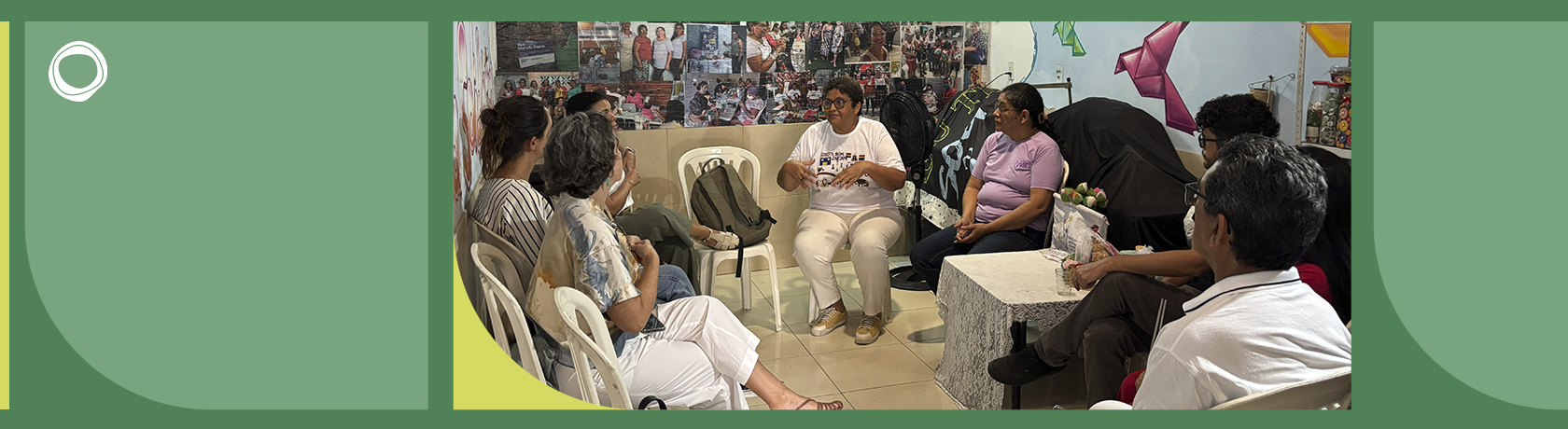
“Many of us were raised viewing donation as the act of giving to others what is left over, what we no longer need. Of course, all forms of donation are valid, but it is important that we take this opportunity to teach children about empathy, about their role in a strong society, to which each of them belongs,” says Carola Matarazzo, executive director of the Bem Maior Movement, which works to promote philanthropy in Brazil.
Since last year, Brazil has been among the countries promoting Giving Day Kids, an international movement that originated in the United States in 2014 as the children's version of Giving Tuesday – which has existed in the US since 2012 and in Brazil since 2013. Today, 72 countries officially participate, and actions are being carried out in more than 190. The day is celebrated on December 1st, but behind it lies a complete platform of tips and inspiration to teach children about giving throughout the year.
“We live in a society of many excesses, that accumulates too much. This movement reminds us that, by sharing, by distributing, everyone wins. From this, we believe that a happier, less violent society with less poverty is possible. That is the place we are aiming for,” says Marina Pechlivanis, creator of the Dia de Doar Kids platform and founding partner of Umbigo do Mundo.
The platform has activities for the four areas that Marina considers fundamental for reaching children holistically: family, the child themselves, school, and society. “We have testimonials from inspiring young people and children, lessons, for example, on the economy of generosity, the Giving Day dance, ready-made lessons for teachers to work on the theme in the classroom, and so on… It’s a very complete platform, totally free, and offers many tools to plant the seed of solidarity in young children,” she explains. “We understand that any effort to raise awareness of the importance of giving among adults would be amplified if we spoke to children. It is from this sense of involvement that we will awaken this awareness in children from an early age.”.
But where to begin? CRESCER asked Carola Matarazzo and Marina Pechlivanis for tips on how to make solidarity a routine in family life. See below 8 steps suggested by the experts:
1. Teach by example
The younger your child is, the harder it will be to explain social inequality and our role in helping to combat it. But our example as parents is a great start to planting the seed of this transformation. “How do you treat your household helper? How do you look at your household helper's child? How do you look at a disabled neighbor? Educating by example is the first and perhaps most precious step in teaching that no one is better than anyone else, despite any differences,” says Carola.
“As parents, we don’t always feel prepared to be role models for our children. And that’s okay. Parents who research, who seek ways to familiarize themselves with the subject in order to then teach, are parents who end up being transformed by their children. They change their attitude to inspire their children, and this mirroring is wonderful,” argues Marina.
2 – Donate what you have
Break the paradigm that you need to have a lot of money to be a donor. We can, of course, donate objects, toys, clothes, but also our time, knowledge, and even our attention.
“To help, you just need to exist and want to. We don't need to donate only objects. We have a group of children who went to a nursing home and donated a poem they had written. It was very moving. And it's important for children to understand from a young age that you don't need money to donate. You donate what you have best,” says Marina.
3 – The choice of words matters
Instead of telling our children, for example, that we need to donate toys to children who have nothing to play with, we can choose words that help promote empathy and not inequality. “Ideally, we shouldn't create a discourse about donating what's left over or what we no longer want. You can take a piece of clothing that the child no longer fits and lead them to think: who might want or need this clothing? This is a great way to teach your child to be welcoming, to see others, to listen to others,” explains Carola.
4 – Make donations a gift
Don't separate broken toys or clothes in poor condition. Guide your child to think about sharing things they no longer use, but that can entertain or be useful to other children. And another valuable tip: when sorting donations, avoid putting the items in garbage bags. "Using garbage bags sends the message that it's like trash, that it should be discarded. Ideally, donations should feel like gifts to others."
5 – Involve them in the donation process
After teaching children about sharing what we no longer use, another interesting step is to involve the child in the entire donation process. This includes researching together, for example, a daycare or institution in your neighborhood that might need the donation, or even organizations with which the child can form a bond.
“Understanding where the resources go, choosing them, monitoring them, seeing if they were used well… All of this makes us enjoy donating. Handing over a package and seeing the smile it brings is moving. It’s important to have this sense: what happens to you when you make this gesture? Do you feel good? Doing good for others also does good for us. This goes beyond just bagging unused things,” says Marina.
6 – Training your eye to see what is different
When you go out with your children, teach them to look around and see the differences between people, as well as their needs. Here, we're not just talking about giving, but about developing citizenship.
“It’s very valuable to walk around the neighborhood, for example, and exercise the thought: How can I help this person? Learning to look at the needs of others leads us to become aware of inequality, lack of inclusion, and differences in opportunity. And for that, you don’t need money. Sometimes the need of another is an invitation to a snack for a child who is alone during recess,” Carola recalls.
7 – Donating is also financial education
Donating can (and should) also be part of children's financial education. For older children, it's possible, for example, to teach them to set aside a portion of their allowance to share. For younger children, Marina suggests a "piggy bank to make a difference." "We can create the habit of a piggy bank that isn't for the child, but a piggy bank to make a difference for someone else. This way, the child saves resources for a period to decide who they want to help, and how."
8 – Appreciate small acts of kindness
In addition to donations, it is very important to encourage small acts of kindness in children, such as thanking people with cards or drawings they have made, or baking a cake at home with the help of their parents.
“When you learn to be kind, to do something to thank someone with your own hands, you create a fundamental sense of gratitude in a society of rampant consumerism. This is how we teach children about the valuable exchange relationships, with simple gestures, but full of truth, because we don't exist without others, and knowing how to value others is very important,” concludes Marina.
__
Text originally published on the Crescer magazine website.
Image Credit: Press Release/MBM