Small institutions provide support to vulnerable communities during the Covid-19 pandemic
The pandemic significantly impacted NGOs that work to raise funds. During this period, it was necessary to reinvent themselves to minimize the effects of the crisis. These institutions were the ones that met the needs of the population on the ground. The main effects were adapting their activities and serving, even with scarce resources and an unfavorable environment, the largest number of people possible.
The most vulnerable population suffered the most, but the resilience of these organizations ensured that people were not left helpless. The emergency strengthened networking. To help cover essential expenses, the Bem Maior Movement opted to make the resources initially allocated to a specific project more flexible, so that they could be used to pay operational costs, such as employee salaries, rent, electricity, and other expenses.
As a result of this easing of restrictions, all social organizations remain active and, according to the assessment of the PHI Institute, have practically doubled the number of direct beneficiaries served.
Local organizations act surgically to support the most vulnerable populations. The need for assistance is not limited to emergency situations, but also includes ongoing investment to ensure these organizations can continue operating sustainably.
According to Carola Matarazzo, executive director of the Bem Maior Movement, the help that each NGO provides to the population of its territory is paramount:
“Small projects make a difference. We're talking about collectives, about institutions located deep in the Brazilian hinterland, far from capital cities, off the radar. They don't have access to credit, funding, or grants. It's essential to continue joint efforts directed towards these NGOs. The Bem Maior Movement operates as an arm that supports these small projects. We know how important it is for them to be working where public policy doesn't reach.”
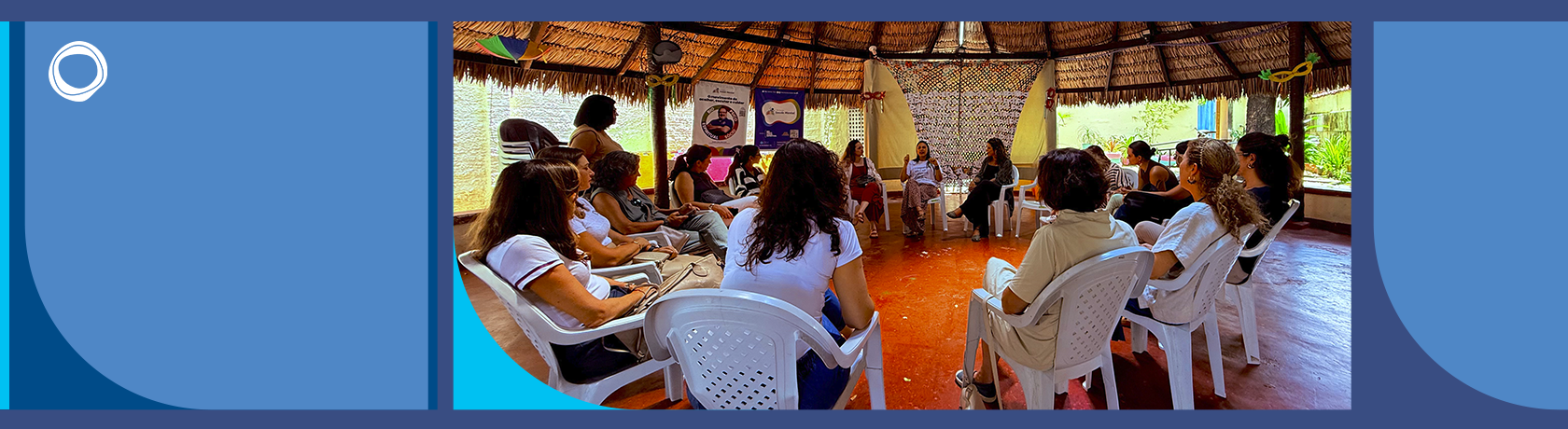
Based on this observation, the Bem Maior Movement initiated a new phase encompassing 37 social projects in 15 states throughout Brazil, working in the areas of human rights, health, education, arts, accessibility and income generation, art and culture, environment, and food security. The objective of these organizations is to strengthen fundamental local initiatives through financial support, technical management of social impact projects, assistance in training managers, improvements in physical infrastructure, hiring of professionals, strengthening of local networks, and other measures, always aiming to build partnerships that maximize systemic social impact.
The Colors of Tomorrow Movement spreads culture and art in communities in Pernambuco
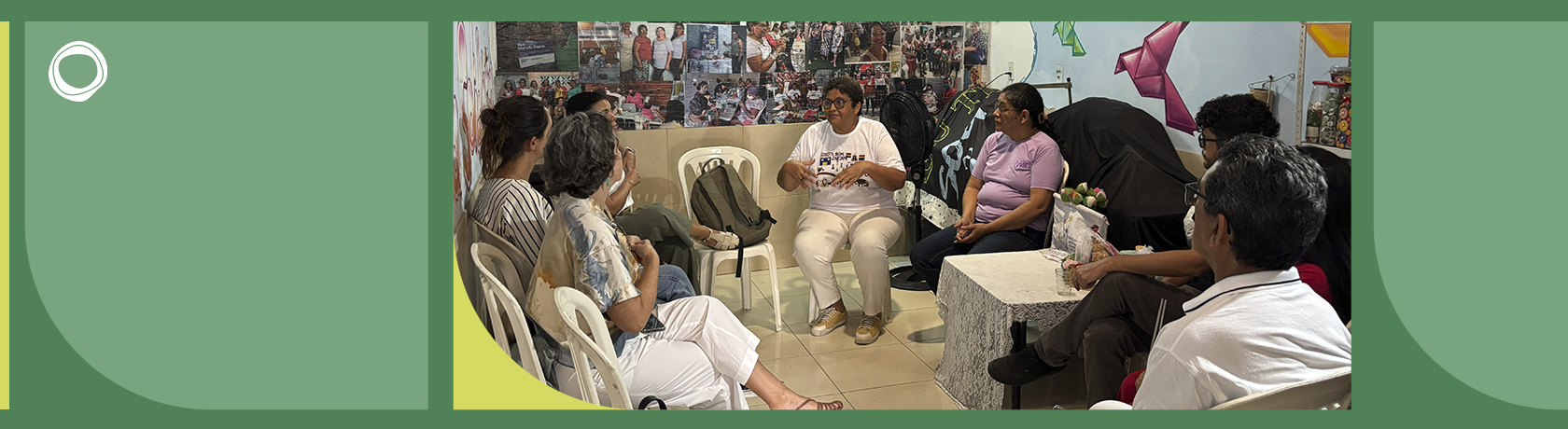
The NGO Movimento Cores do Amanhã operates in Recife, Pernambuco, in the Totó neighborhood. Through volunteer work, the project offers more than 20 cultural and sports workshops, regularly serving over 750 families in the region. During the pandemic, in-person classes were suspended, and specific actions such as food distribution and distribution of preventative materials like masks and alcohol were prioritized. Weekly food deliveries reached more than 5,000 families in recent months.
According to Josué Barata, President of the NGO Cores do Amanhã (Colors of Tomorrow), the hope for better days is what motivates those involved in the project:
“We continue to organize training sessions online and offer support to students through WhatsApp groups. The situation has not been easy, but the community dreams of better days. Today we feel that we are not alone, and that even in difficult times amidst the pandemic, Bem Maior and Grupo Cores do Amanhã continue to resist and dream together!”
These local entities serve as a support point for the most vulnerable. It is ongoing work that can inspire similar institutions. By transforming the places where they operate, these organizations work to complement public policies.
Image Credit: Press Release/MBM