A woman's place is in running companies, leading organizations, and also at home, when she wants to. And taking advantage of the motto that has represented the importance of understanding that women's roles have long since ceased to be restricted to household chores, a woman's place is also in leadership positions in the third sector.
Anyone who has worked in the field for a while knows the power that this veritable "female army" has in transforming society. There are countless examples that prove this statement. Just to mention two success stories, I want to highlight the work of Priscila Cruz, president of Todos pela Educação (All for Education), and Luciana Temer, president of Instituto Liberta (Liberta Institute).
Since 2006, Todos pela Educação (All for Education) has sought to guarantee the right to quality basic education. Considering the country's geographical dimensions and population figures, this is quite a challenge: a study by UNICEF (United Nations Children's Fund), using IBGE data, indicates that there are almost 1.4 million children and adolescents aged 6 to 17 out of school.
No less challenging is the work of the Liberta Institute, which focuses on combating the sexual exploitation of children and adolescents in Brazil, which ranks second in the world for this type of exploitation. The institute's overview shows that there are 500,000 victims per year.
In the Bem Maior Movement, where I have the honor and pleasure of being the executive director, we also have a challenging mission in the face of the historical social challenges that the country faces. These are enormous numbers, great obstacles to building the Brazil we want. Seeing so many women leading organizations in various fields, we are certain that a Brazilian daughter does not shy away from the fight.
While the strength of women is evident in organizational management, the same is true in other areas, where we see the importance of women's work as volunteers, supporting contributions and fostering a culture of giving in the country. According to the 'Giving Report 2021 – a portrait of Brazilian donors during the pandemic', "female donors are more likely to say they donate because they perceive they can make a difference (42% vs. 32% of male donors).".
There is also relevant data from a 2018 study by IPEA (Institute for Applied Economic Research) highlighting that women occupy 65% of jobs in organized civil society organizations. Representing more than half of those involved in volunteer work for a cause, women's work is essential.
Finally, according to UN Women, "women have been hit hard by COVID-19, as they make up 70% of those working in the social and health sector worldwide and are on the front lines of the response.".
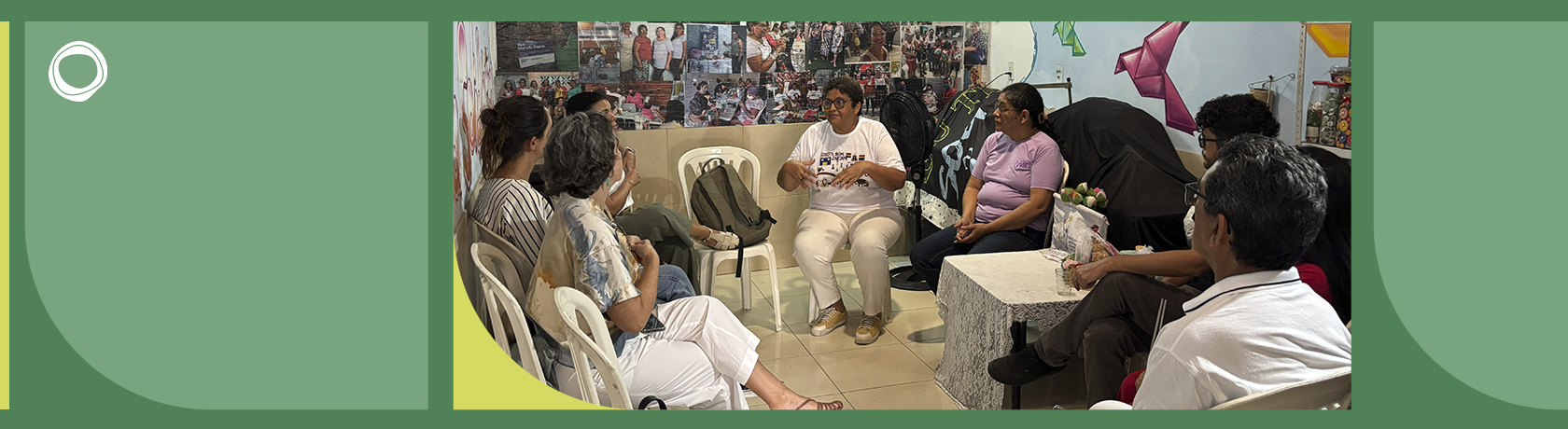
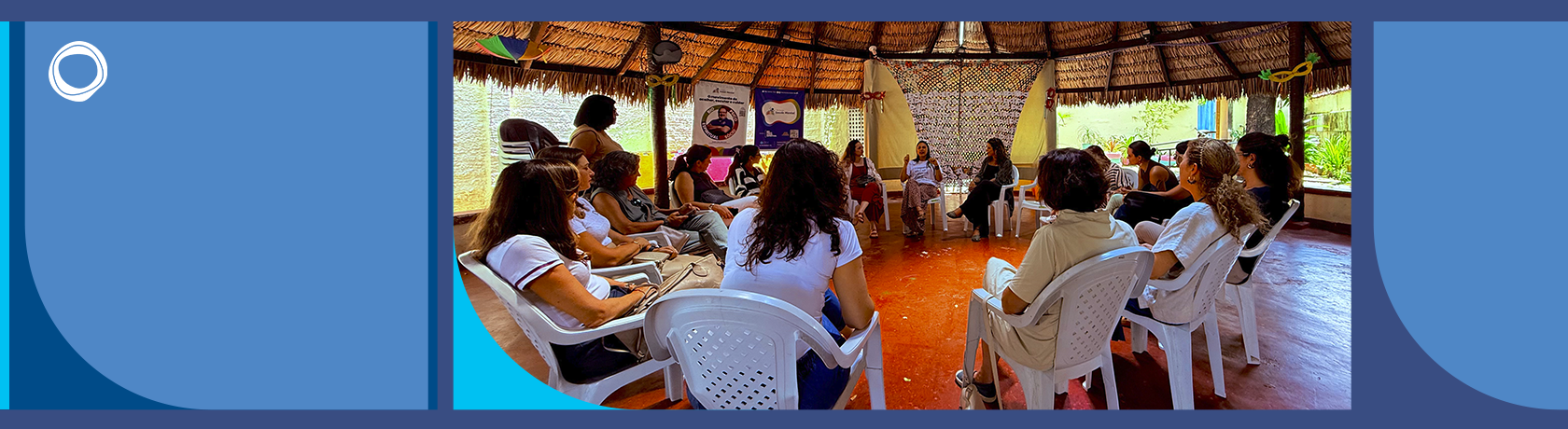
We form a large movement from north to south of Brazil, working in education, health, social responsibility, fighting inequalities and prejudices, using female strength to improve society and, as a consequence, our country. A woman's place is doing good wherever she wants to be.
This article was originally published on the website of the newspaper O Povo.
Image Credit: Press Release/MBM