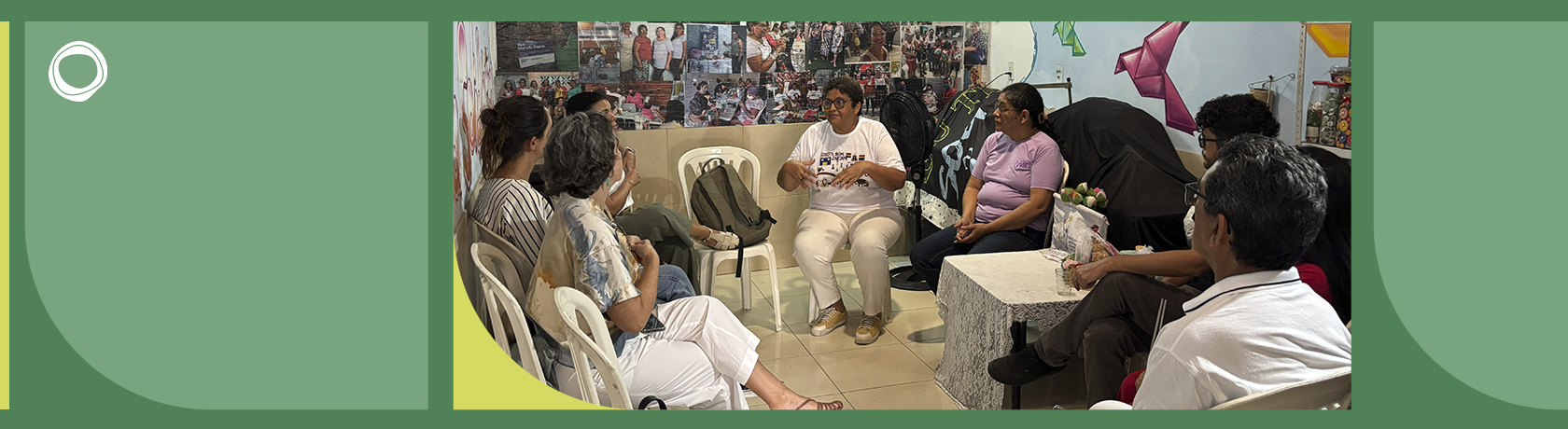
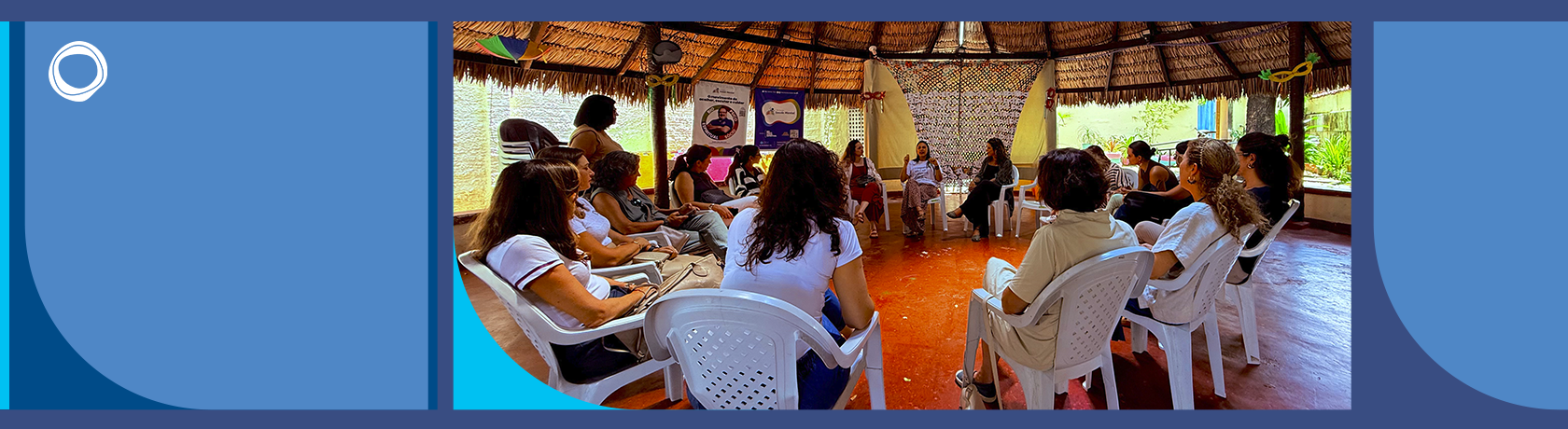
The need to expand the culture of giving in the country and the importance of directing resources with planning and strategy were at the heart of the discussions at the Legado, held by the Bem Maior Movement and Santander. The meeting, which took place at the Santander Theater on April 25th, brought together business leaders, opinion leaders, and social leaders. Below, we present the perceptions of speakers and some guests about the event. Check it out!
To watch the Legacy event, go to the Movimento Bem Maior YouTube channel and check out the broadcast!
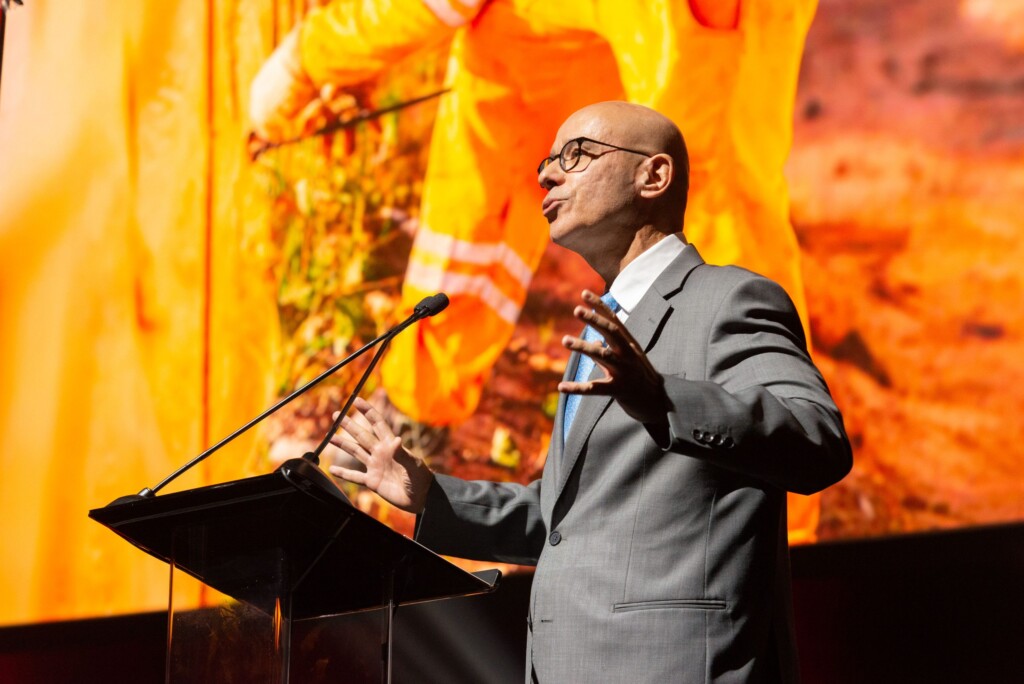
Sergio Rial, Chairman of the Board of Directors of Santander, at the opening of the event
Rodrigo Pipponzi – co-founder and CEO of Grupo MOL:
I would say that the event was very powerful and thought-provoking, which is what we need as a society. It's not enough to create diversity in speech, in a panel, if we don't transmit the right messages. I leave here wanting to get more involved, study more, and create networks with more people. The event managed to bring everyone together to think about the legacy they want to leave behind.
Joca Guanaes – advertising executive and businessman:
I've never seen anything like this in Brazil. I think this event is historic, very important for the country. The purpose of the Bem Maior Movement needs to be spread and embraced by all Brazilians. The Legacy was a milestone in raising this awareness.
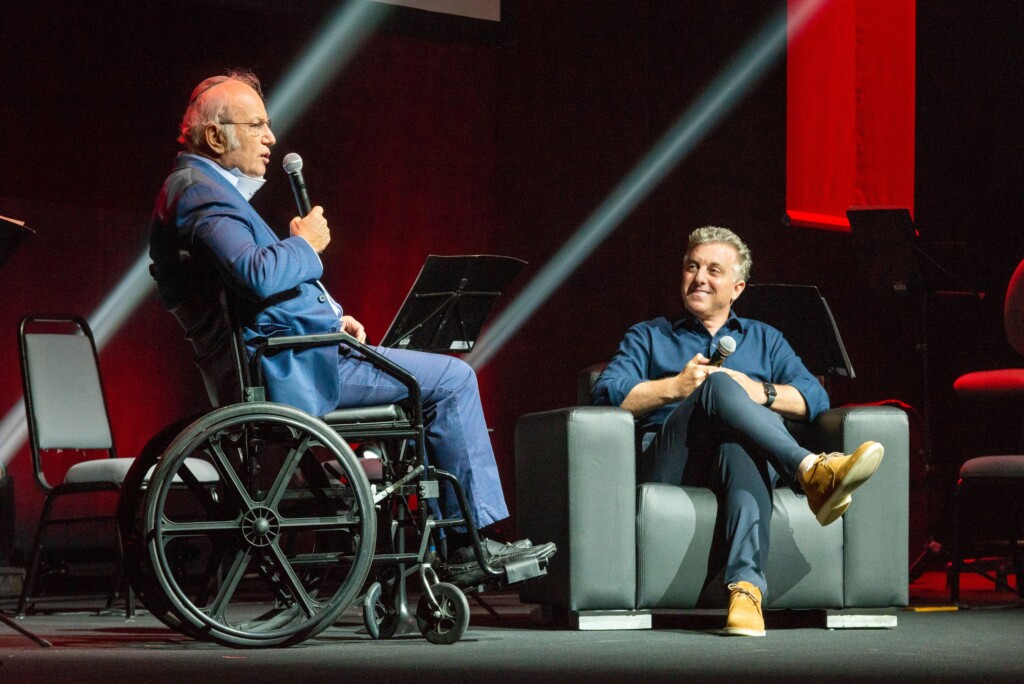
Elie Horn and Luciano Huck, in a frank and inspiring conversation on the Legado stage
Christian Klotz – partner at Brasil Capital, a company associated with the Bem Maior Movement.
The Legado event, held by the Bem Maior Movement and Banco Santander, marks a new era in national philanthropy. The need for society to move towards social justice became absolutely clear, and the examples presented during the event certainly captivated the audience. As next steps, we must structurally include the elite in this mission, in a recurring and well-supported manner.
Fábio Tadeu Araújo – partner at Brain Strategic Intelligence.
Every country is made by its elite, and they need to envision the legacy. We, businesspeople, when we visit the United States, come back speaking very highly of productivity, efficiency, and a series of fantastic concepts, but it's rare that we talk about philanthropy. It is through the efficiency of companies and businesspeople, through the donation of money and time, that we can achieve effective change.
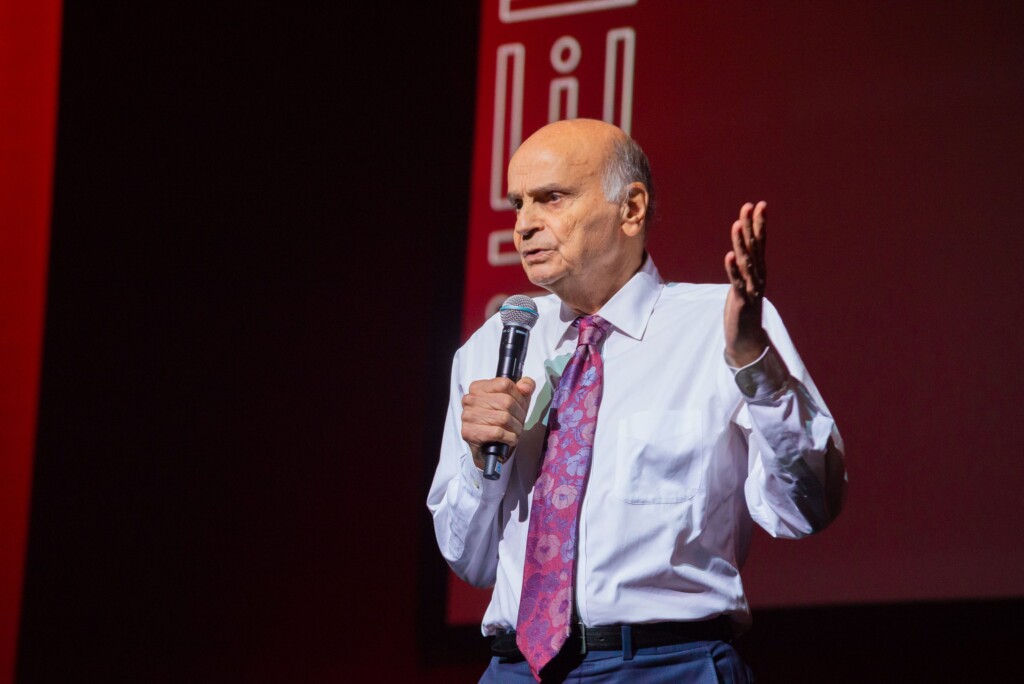
Drauzio Varella on the Legado stage
Gilson Rodrigues – President of G10 Favelas:
Sometimes, we only learn about many things from hearsay or reading about them in the newspaper, and today it was possible to bring the reality of those who are experiencing transformation or giving. The best way to help each other is by connecting, fostering coexistence, and breaking down differences to make Brazil a better place.
Rosalu Fladt Queiroz – volunteer president of Liga Solidária:
I see that the parameters for philanthropy are changing. I've been in this area for 25 years. We started with welfare measures and moved towards social transformation. Today we saw people here who speak with great authority, who presented important data and facts to engage people. Not only are governments responsible, but there is a lack of manpower and resources. We have to donate, yes.
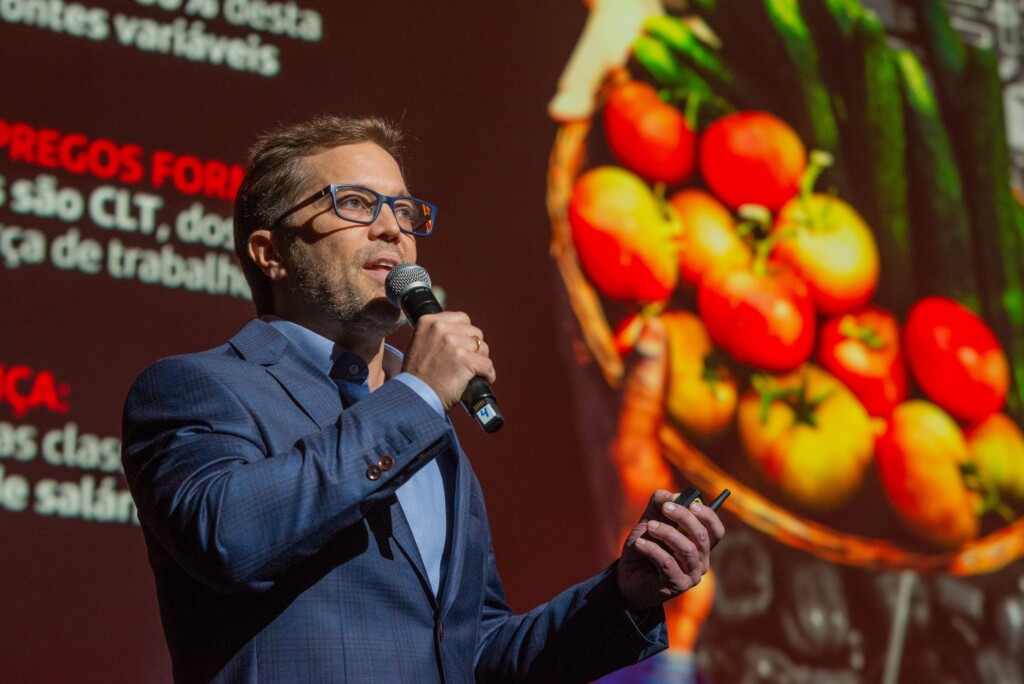
Maurício Prado, Executive Director of the CDE Plan
Vanilda de Jesus Pereira – volunteer at Casa do Grande Coração (House of the Great Heart)
Being here, being a part of this, hearing my story being told to the public is sad, but also rewarding. As has been said here, donation isn't just about money. Many places need doctors, therapists, teachers. Donating knowledge is also important.
Renata Biselli – Superintendent of Social Impact, Santander Brazil.
I keep thinking about what Santander and the Bem Maior Movement will do next, to continue what we started here. I heard people in the audience saying they left the theater feeling uneasy. If we don't give, if we don't have empathy, it won't work as a society. We need to be aware of the pain and lack of opportunity of others. We need to donate time, money, experiences, knowledge. We have to do this better.
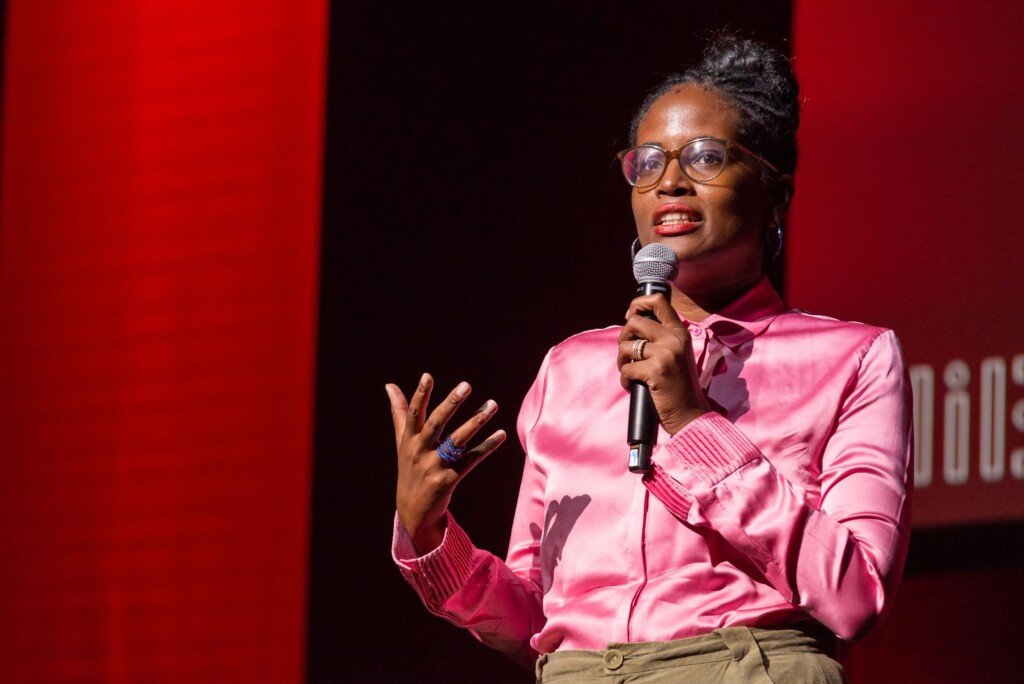
Djamila Ribeiro spoke about her career path and the launch of the Plural Feminisms Space
Jair Ribeiro – President of Parceiros da Educação:
The so-called “elite” really needs to mobilize to reduce inequalities, even for the sake of the country's sustainability. It is important, not only from a personal point of view, but also from a collective point of view, to have an increasingly prominent role in the donation process, to do good, as Dr. Elie (Horn) always says.
Marina Pechlivanis – partner at Umbigo do Mundo and creator of Education for Kindness and Generosity.
A contemporary, complex, and urgent conversation, with a diversity of voices and experiences, to discuss what "Legacy" we, as a potentially transformative social network, will leave for people and the planet. A consciousness-raising and mobilizing experience: we have much to do, and no time to lose; and every small gesture can make a big difference. A privilege to be present!
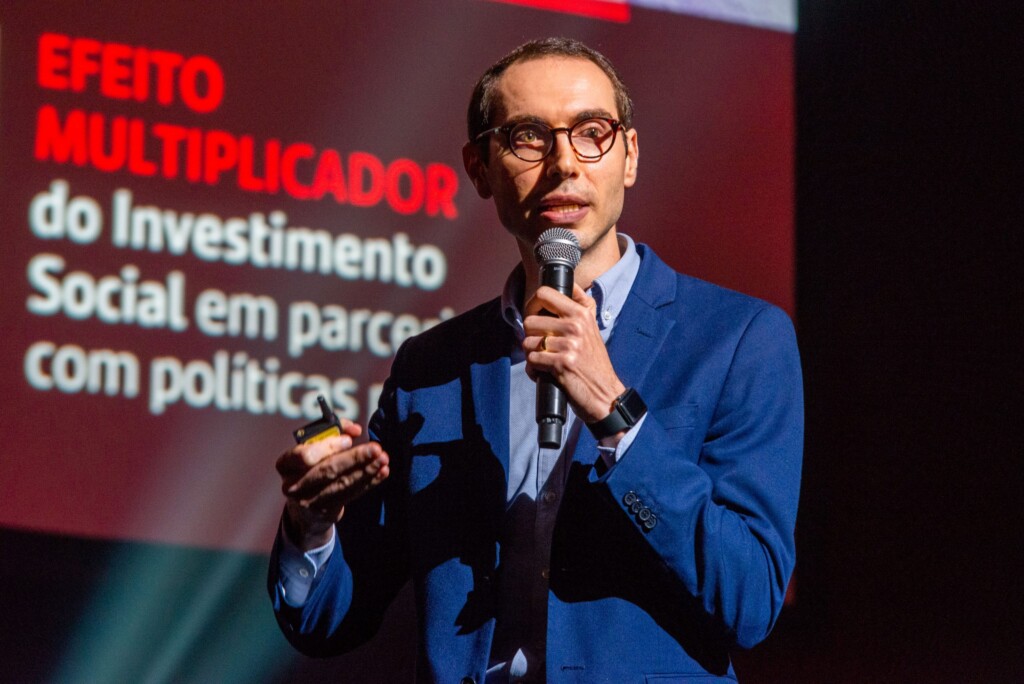
Germano Guimarães, co-founder of the Tellus Institute
. . .
Image Credits: Gladstone Campos/Movimento Bem Maior