Humanitarian activist advocates for the adoption of business practices to boost donations
Nonprofit organizations live in a prison that prevents them from growing and transforming their surroundings. This is the view of American businessman and activist Dan Pallotta, who participated in the 3rd Doar Seminar, an event aimed at the third sector, social entrepreneurs and philanthropists, organized by the Mol Institute and the Bem Maior Movement, which has Época Negócios as a media partner.
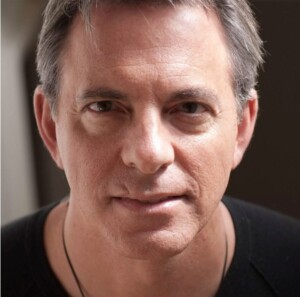
Dan Pallotta / Press Release
When Dan Pallotta took the stage at the TED Talks series in 2013, he thought no one would pay attention to his words. Seven years and more than 5 million views later, the video still draws attention by highlighting problems in NGO funding strategies and the contradictions in what is expected of them.
“Charity hasn’t changed the world as we hoped because that’s not what we asked of it. We demand that organizations keep their overhead low and donate as much as possible to the cause, without investing in personnel or ways to raise more funds. If they are making a difference, it means doing so in the background,” he states.
Pallotta says that the third sector competes for resources at a significant disadvantage compared to the private sector, being encouraged to remain small. He believes this gap would narrow with investment in better salaries within organizations, the use of marketing and advertising to attract new donors, and the possibility of accessing venture capital markets, which offer more aggressive returns. It would also require the patience of investors to create new fundraising methods – which could take much longer than a fiscal year.
He argues that NGOs need to "break free from this prison" to attract more donors and multiply their impact. To do this, they would need to convince current funders of the importance of changing their strategy. "If I can't spend to get more resources, I can't find other donors, and then I have to ask you for money again," he argues.
The activist advocates for "literacy for giving," which explains the disadvantages of following the path taken so far. His most recent book, The Everyday Philanthropist (not yet translated into Portuguese), is one of the tools he suggests for popularizing these ideas and communicating differently with donors. But he acknowledges that it's an arduous path, requiring much repetition and persuasion. "Promote discussions on the topic, talk about how the 'old way' hasn't worked, and repeat, repeat, repeat."
And he has repeated his mantra, even to billionaires seeking his help. “I tell them: stop donating your money to children or the poor. Find the best organizations that help children and the poor, and give your money to their fundraising department. Ask for a business plan specifically geared towards this purpose, so they can find more donors and raise more money,” he says.
Born in the 1960s, Pallotta likes to cite the Apollo mission, which put man on the Moon, as an example of a dream taken seriously and which resulted in innovation and progress for all of humanity. "From the moment you challenge someone, as John F. Kennedy did by setting a deadline, you start talking about the subject and adopt a more courageous stance, which leads to collaboration and the creation of new ideas," he states.
He wants to inspire organizations to remember the dream that motivated them to work on a particular cause, and to get them to adopt a new stance to change their trajectory. “We changed the way people think about seatbelts, about gay marriage. History is nothing more than a record of change. And now we need to change the way people think about charity,” he concludes.
This text was originally published on the Época Negócios website.
Image Credit: Press Release/MBM