The director of the Bill and Melinda Gates Foundation recommends action to go beyond returning to normal
The novel coronavirus pandemic may have affected all of humanity, but its impact does not affect the entire population in the same way. The most vulnerable continue to suffer the most, a visible reflection of social inequality. And what the privileged do may impact society as a whole.

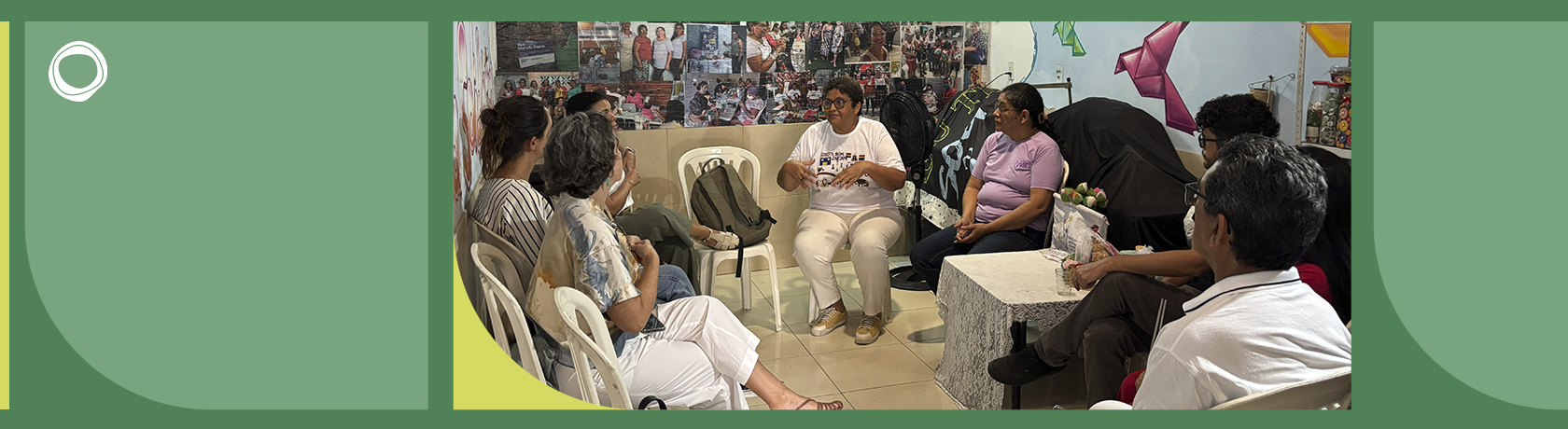
Sofia Michelakis, director of the Bill and Melinda Gates Foundation. (Photo: Press release)
For Sofia Michelakis, director of the Bill and Melinda Gates Foundation, it is necessary to act today and publicly commit to philanthropy – especially those who are very wealthy. She was present at the 3rd Doar Seminar, an event aimed at the third sector, philanthropists and social entrepreneurs, organized by the Mol Institute and the Bem Maior Movement, to talk about how the donation of the privileged is, potentially, a great legacy for future generations. Época NEGÓCIOS is a media partner of the event.
Sofia is responsible for The Giving Pledge, a public commitment made by billionaires who agree to donate a large portion of their fortunes during their lifetime. The list, which includes 211 wealthy individuals from 24 countries, features personalities such as investor Warren Buffett, filmmaker George Lucas, and Elon Musk, CEO of SpaceX. Syrian businessman Elie Horn, based in Brazil, former president of the Cyrela group and co-founder of the Bem Maior Movement, is the only Brazilian currently part of the initiative.
She identifies a three-step path that philanthropists could take in the face of this crisis. The first measure would be to invest in the immediate relief of the pandemic's consequences. "Philanthropy can act in spaces where public power doesn't reach; centralizing it means coordinating donations and mobilizing the delivery of the most urgent supplies," she states.
Investing in reconstruction would be a second step, identifying the needs of NGOs and seeking ways to raise funds that guarantee their full operation. It is also the time to advocate for the balanced allocation of resources, as is the case with the COVID-19 vaccine. "It is necessary to work to ensure equal access to treatment, and not just for rich countries," he says.
Finally, she emphasizes the need to think beyond the pre-pandemic level and work towards acquiring resilience in systems and organizations – including considering the possibility of a new crisis of this magnitude. “I challenge philanthropists to think about what returning to normal means. To remember the pre-COVID world, to look at 'normal' systems and think about who they serve and who they don't, and what to do to improve them,” she states.
Sofia argues that philanthropy should simultaneously consider these three aspects and develop an action strategy. “It’s not just financial resources that matter. You can also donate your talent, your network of contacts. Choose a cause you consider important and start getting involved, look for reputable institutions that work with it and connect with them.”.
For those on the other side of the table, asking for resources, she recommends emphasizing to the potential donor what the problem is and what solution your organization has found, the impact of your actions, and presenting stories of beneficiaries. "Most people are motivated by what they see, by a cause they feel responsible for, or when they can see the impact of the work," she says.
Regarding the new generation of young philanthropists, who have taken on and questioned the investments of wealthy families, she views their sense of urgency and focus on new causes with optimism. "They don't want to put band-aids on problems; they want to get to the heart of the matter and solve them," she states.
Sofia believes that this stance of young leaders is not limited to the debate on philanthropy. "We have the example of Malala Yousafzai, of Greta Thunberg, who are teenagers using their voice to motivate others to get involved, it's very inspiring," she adds.
This text was originally published on the Época Negócios website.
Image Credit: Press Release/MBM