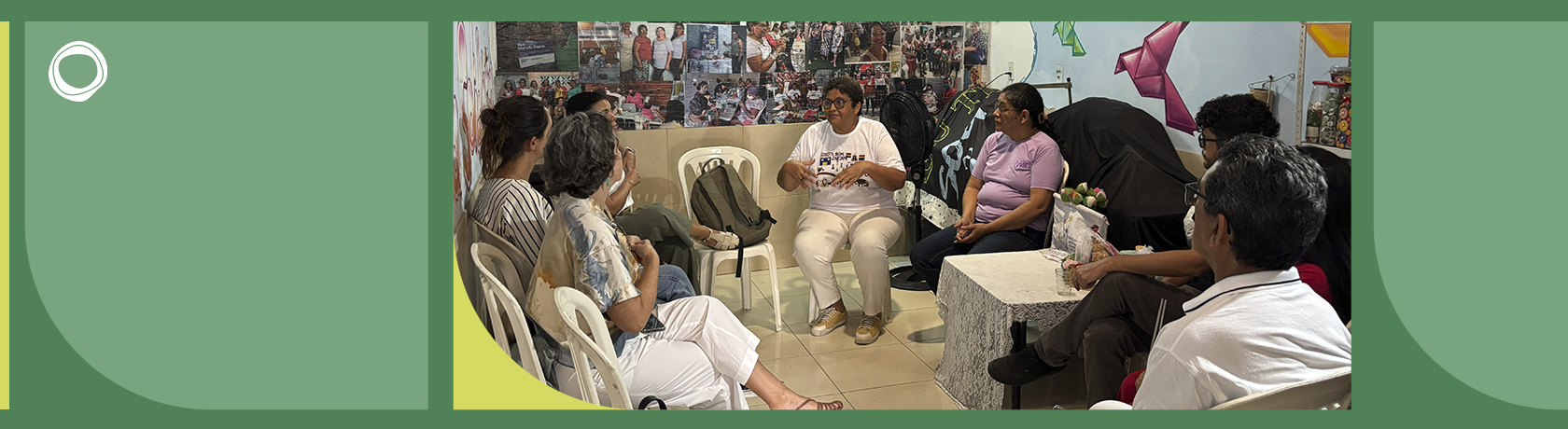
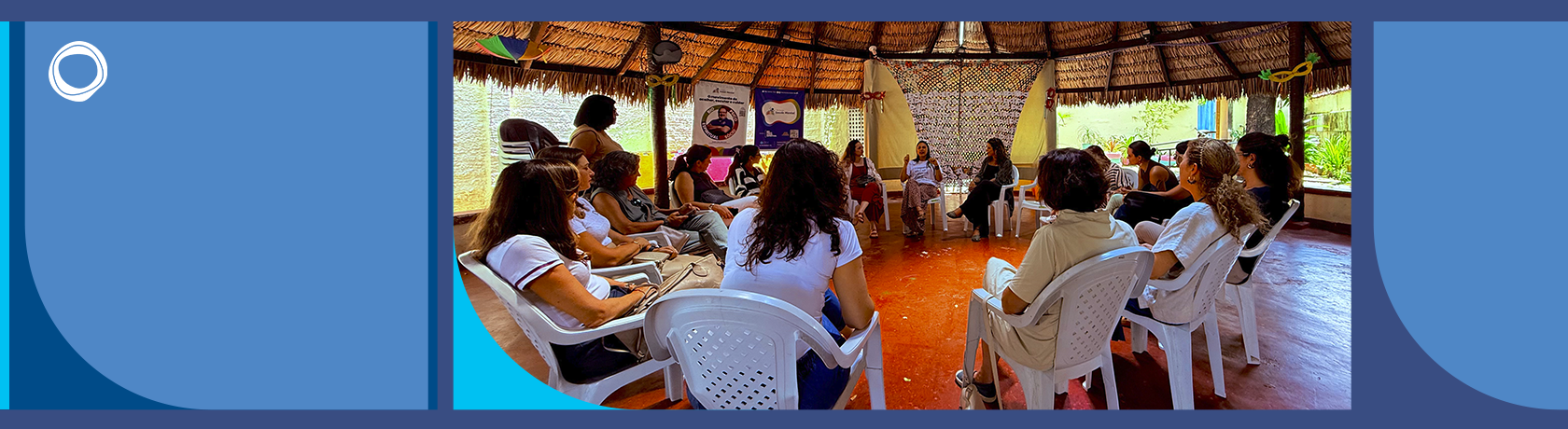
With so many urgent needs in places where public policies are ineffective, we see many people in Brazil taking the initiative to mobilize and provide support to those in need. These people come together informally for the common good and form groups, called collectives, that can work on different causes.
Scattered across the vastness of the country, many collectives carry out projects that are small in financial terms but grand in impact, making a difference to the communities where they operate and acting as social catalysts.
Therefore, it is important to identify these groups that operate outside the radar of philanthropists, the media, and corporations that could potentially help them. It is their members who know the local territory and the priority issues, who connect deeply with the community, and who act with dedication, love, and efficiency. They reach the "end" of the chain, which is the goal of philanthropy.
Providing these groups with support, not only financial but also in terms of expertise, can unlock processes, test new models, and bring innovation to the sector. Furthermore, emerging leaders can benefit from enhanced training.
As the group grows and becomes more structured, it can also take a new step and become a legally established civil society organization. In this new format, for example, it may be possible to expand fundraising and thus raise the social impact to other levels. In many cases, the collective may represent an embryonic phase of a CSO.
The Bem Maior Movement also works by supporting collectives. Since the first call for proposals for the Futuro Bem Maior program, launched in 2019, we have also accepted the participation of collectives, precisely because we understand the importance that social investment has in leveraging management processes, the reach of actions, and the institutional strengthening of these initiatives.
At the time, a total of 50 participants were selected (from over 2,000 applicants) to receive support over 12 months. After this period, the overall assessment was that the partnership had three types of impact: for the direct and indirect beneficiaries, for the organizations and collectives, and for the communities where they operate.
The "Futuro Bem Maior" (Greater Future) program is now in its third edition, and its 30 participants have access to a program that includes: training, R$ 70,000 in support, project monitoring, opportunities for strategic partnerships, and discussion groups.
By working in networks, we are stronger. Walking together is the best option to promote a social transformation that begins at the grassroots level and that we hope will multiply and make Brazil a fairer country to live in.
Image Credit: Press Release/Circo Redondo