Understand how Redes, from the Bem Maior Movement, brings together investors, companies, and social organizations in territorial coalitions across Brazil.
Local philanthropy begins right on the ground we first walk on. Before any connection to the world through screens, it is in the neighborhood, the city, and the state where we live that relationships are formed and life gains meaning.
A postal code may indicate the coordinates of a place, but it is coexistence that defines a territory. It is within this territory that the daily donations of many people, in gestures that may seem small, sustain the collective.
It is on this land that social organizations, community leaders, businesses, and families do their work every day. And it is on this land that the Bem Maior Movement is betting on to bring philanthropic resources closer to those who build the territory, inviting those who live and work in each place to invest together.
In this article, we explain what Redes is, what territorial coalitions are, how they work, and why investing in one's own territory is a way to strengthen local philanthropy.
What is Networks?
Redes , which brings philanthropic resources to underserved areas by uniting investors, companies, and social organizations in territorial coalitions. Its purpose has two complementary directions: to decentralize social investment and to activate the philanthropy of those who live and work in each state.
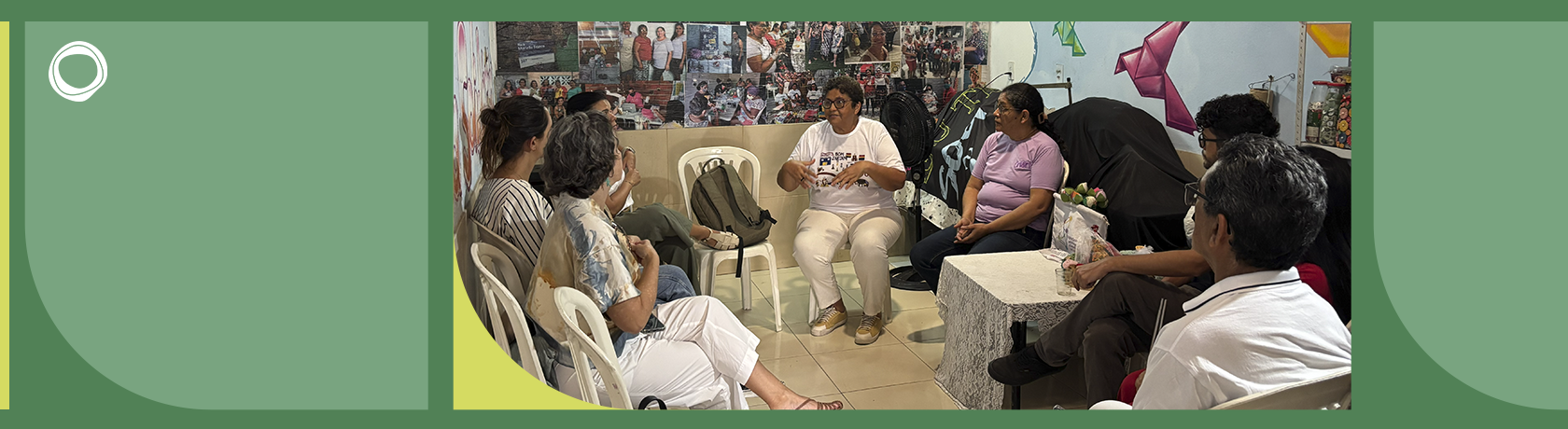
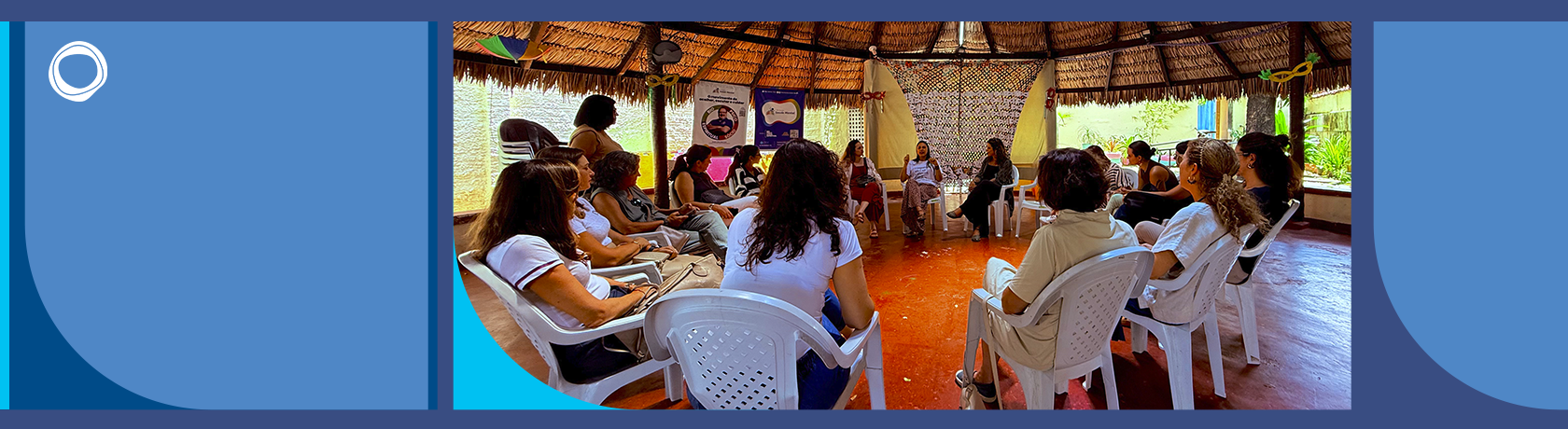
Each network has a state as its territorial unit and a defined cause based on the demands of that place. Local organizations and leaders, with recognized legitimacy in their communities, occupy the center of the strategy. The Bem Maior Movement acts as a facilitator, connecting the different actors without replacing the leading role of those who are in the territory.
Today, three networks are in operation, in Ceará, Bahia, and Minas Gerais. Each has its own design, but they all stem from the same essence.
Coalition and co-investment: what's the difference?
We've already shown here on the blog why coalitions have become strategic for philanthropy. Coalition and co-investment frequently appear in this debate, but they are not synonymous, and understanding the difference helps to understand how Redes works.
A coalition is an arrangement of coordination and governance among different actors who share a common goal. It defines roles, decision-making rules, monitoring methods, and responsibilities for each participant. It is the structure that allows organizations, companies, and investors to work in a coordinated manner over time.
Co -investment is the act of investing together, pooling resources from different sources around the same cause. It can happen on a one-off basis, but it gains consistency when it is supported by a coalition, because the contributions then follow the same direction, with shared criteria and monitoring.
In the Redes network, the coalition is the arrangement, and co-investment is one of the movements it makes possible. Collaboration, in this case, involves aligning intentions and responsibilities, not just pooling resources.
Who is part of a Network?
Each coalition brings together actors with different roles. Strategic partners help design and articulate the network in the territory. Co-investors contribute resources alongside the Bem Maior Movement. Local organizations, such as the anchor organizations of Redes Ceará, execute the actions and lead the work with the communities. And technical partners provide support with methodology, training, and monitoring.
Local philanthropy: why invest in your own territory
Brazilian private social investment is reaching further and further afield. According to the GIFE Census 2024-2025, the proportion of associated organizations operating in the Northeast increased from 39% to 57% in two years, and in the North, from 36% to 55%. But those who invest are still concentrated: 85% of these organizations are headquartered in the Southeast, and 61% in the state of São Paulo.
At the same time, the culture of giving is widespread throughout the country. The 2024 Brazil Donation Survey, by IDIS, shows that the North has the highest proportion of donors in Brazil (49%), followed by the Northeast (44%), both above the national average of 43%.
Both pieces of data point to the same place. Philanthropic resources reach the territories, but largely come from outside them, even though there is a willingness to contribute in each state that can be channeled into structured ways.
For local entrepreneurs, businesses, and philanthropists, investing in the place where they live and operate brings inherent advantages. It allows them to closely monitor what's happening, get to know the organizations and people involved, and strengthen ties with the community. What is often lacking are bridges, governance arrangements, and structures of trust necessary for this investment to take place.
How Networks Work
In each network, the Bem Maior Movement acts as the initial investor, providing seed and venture capital. It is also responsible for coordinating participants, governance, accountability, and legal and financial management while the coalition is established.
This allows investors to join an already functioning system without needing to set up their own operation. In a coalition, each contribution is added to those of other participants, and the costs of analysis, technical structure, and governance are shared. This is the logic discussed in the article " When donating together becomes a strategy": the resource comes accompanied by shared intelligence. Governance, monitoring, and accountability help provide security for investors.
For many local investors, Redes may be their first experience in collaborative philanthropy. The strategic vision is for each network to gain autonomy and remain viable in the long term, with local actors at the center.
Three nets, three designs
The essence is common, but each network is born from the characteristics, priorities, and relationships of its territory.
Ceará Networks
The first project using this strategy, Redes Ceará, was built through a participatory process and served as a pilot for the model. It operates in Fortaleza and Maracanaú, focusing on productive inclusion and food security, through anchor organizations with a strong presence in their territories. Learn more about the launch of Redes Ceará.
Bahia Networks
Redes Bahia focuses on strengthening the institutional capacity of civil society organizations and community-based collectives in the state. The initial selection of supported organizations was conducted through a public call for proposals, with the participation of technical partners in the program's implementation.
Minas Gerais Networks
The Minas Gerais Network is focused on the productive inclusion of women. Pilot projects are already underway, offering training to this audience, while the network's structuring project is being designed.
The experience in Ceará supported the launch of the coalitions in Bahia and Minas Gerais and demonstrated the evolution of Redes from an experiment to a structured process.
Each territory is made up of many hands. Of organizations that train, welcome, and generate income, of leaders who know every street, and of businesses and families who build their history there. Redes is based on the idea that these threads gain strength when they come together with purpose, coordination, and trust.
The future of your territory is woven into a network.
Want to learn more about Redes or find out how to invest in the network in your state? Visit the Redes page and talk to our team.


 ">