Understand who is part of a coalition, how resources are managed, and what those who decide to invest together in their own territory gain.
Investing in coalitions is already part of the routine for a large portion of companies involved in social investment in Brazil. According to the BISC 2026 Survey (Benchmarking of Corporate Social Investment) by Comunitas, approximately 70% of the companies surveyed execute or participate in initiatives with other companies.
The same research shows where this collaboration usually leads. For 67% of companies, the main reason for joining a coalition is to gain effectiveness in shared causes, while 20% cite working in common territories. According to the survey, this may reflect a practical difficulty: it is easier to find partners for a cause than for a territory, especially outside of large cities.
This is where Redes, the arm of the Bem Maior Movement, comes in. By organizing coalitions at the local level, it brings together companies, investors, and organizations that live and work in the same place, creating conditions for them to invest together. In this article, we explain how coalition investing works, who is part of this arrangement, and what those who decide to participate gain.
What does coalition investing mean?
A coalition is an arrangement of coordination and governance between different actors who share a common goal. It defines roles, decision-making rules, monitoring methods, and responsibilities. Co-investment is the act of investing together, pooling resources from different sources around the same cause.
Investing in coalitions, therefore, involves contributing resources within a structure that already organizes how that money will be applied, monitored, and accounted for. We've already explained here on the blog why coalitions have become strategic for philanthropy and how local philanthropy shapes the future of territories. Now, the focus is on how it works in practice.
Who is part of a coalition?
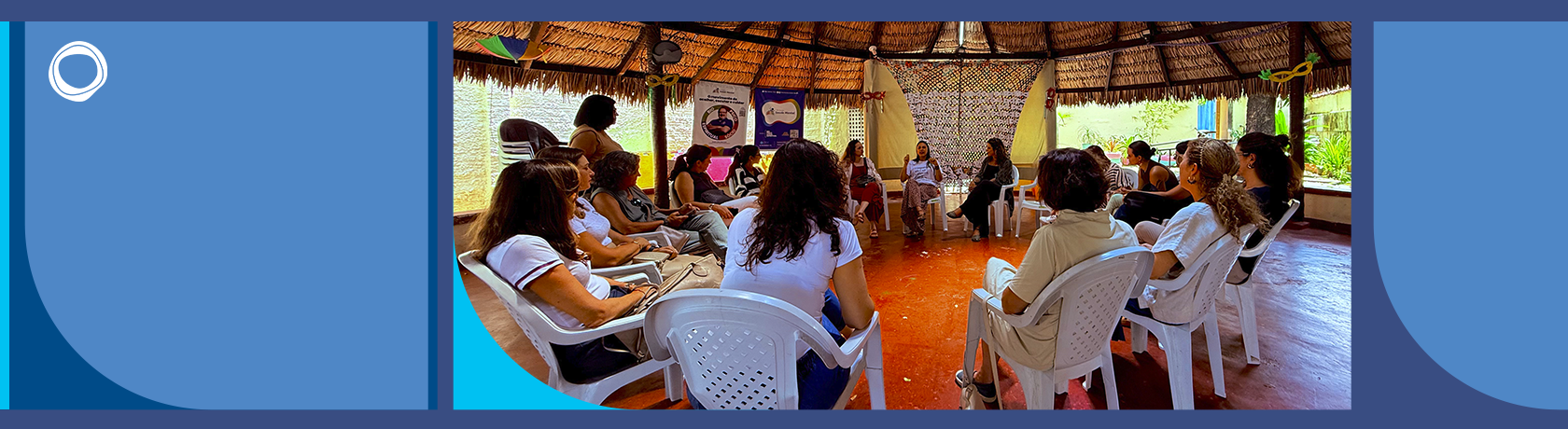
In the Networks system, each coalition brings together actors with different and complementary roles. Understanding who does what helps to see where each investor fits in.
In the territory
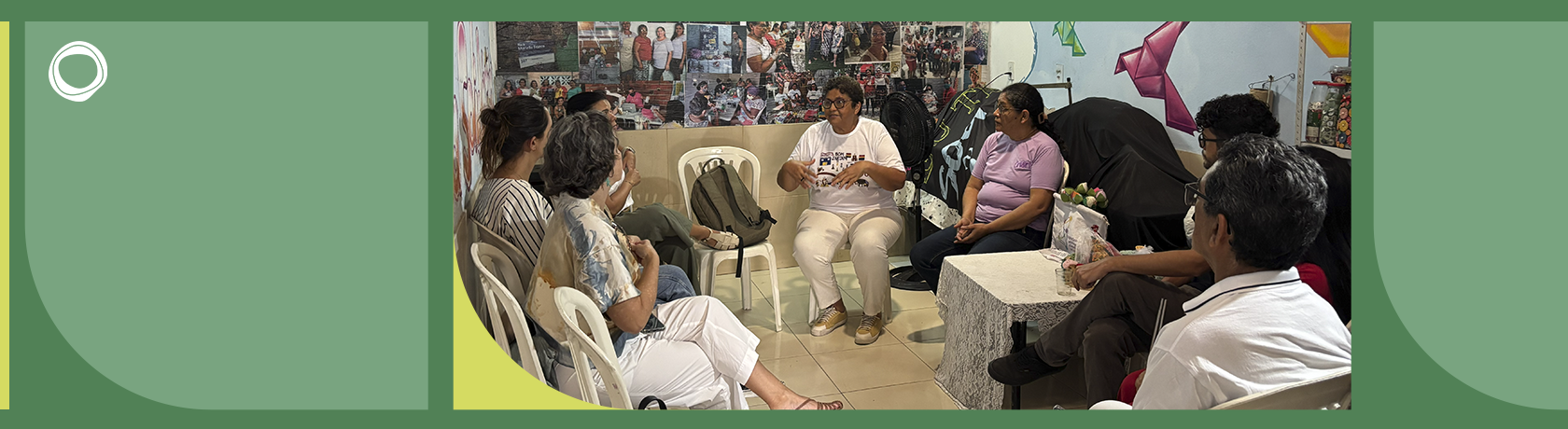
Local organizations are at the heart of the coalition. With a recognized history and track record, they are the ones that execute the actions and lead the work with the communities, as the anchor organizations of Redes Ceará . Alongside them, a local coordination team manages the network in the territory, monitoring its implementation and connecting the participants.
Who invests and supports
Co -investors contribute resources alongside the Bem Maior Movement and can be companies, institutes and corporate foundations, families, or individual philanthropists. Strategic partners help design and articulate the network, bringing their territorial knowledge, while technical partners contribute with methodology, training, and monitoring.
Who articulates
The Bem Maior Movement acts as the primary investor and coordinator of the coalition, taking care of the structure that allows everyone to invest together.
How it works in practice
In each network, the Bem Maior Movement is the first to invest, providing seed and venture capital. This initial investment signals commitment and reduces uncertainty for those who come later.
As the coalition takes shape, MBM is also responsible for coordinating participants, governance, accountability, and legal and financial management. This means that those who decide to invest enter an already functioning system without needing to build their own analysis, selection, and monitoring structure.
The contributions of the different participants are combined around a cause defined by the needs of the territory, and the costs of analysis, technical structure, and governance are shared. This is the logic we discussed in When Donating Together Becomes a Strategy: resources are now accompanied by shared expertise.
The expectation is that each coalition will gain autonomy over time and continue to stand, with local actors at the forefront, ensuring the continuity of what has been built.
Why invest in coalitions?
For local businesses and investors, coalition investing offers advantages that are rarely seen in isolated investments. The first is leverage, since each contribution adds to those of other investors, expanding the reach of the resource and allowing support for larger-scale initiatives. Costs and risks are also shared, because the analysis, technical structure, and governance are divided among the participants, and joining an already structured arrangement reduces the uncertainty of starting from scratch.
There is also the security of having governance, monitoring, and accountability, which provide transparency on how the resources are used. Added to this is the proximity, since investing in the territory where one lives or works allows one to closely monitor what is happening and get to know the organizations and people involved.
For companies, investing in coalitions in the territory where they operate also strengthens relationships with other companies, leaders, and surrounding communities. In the BISC 2026 Survey, improved institutional relationships appear as the main criterion for 13% of companies that enter into coalitions.
For many local investors, the coalition may also be their first experience with collaborative philanthropy, supported by an already functioning structure.
Who already invests in social networks?
In the states where Redes is already present, local companies, institutes, and philanthropists have decided to invest in their own territory, each based on their own motivations.
In the Redes Bahia network, the coalition brings together Brainvest, Instituto Ivete Sangalo, Instituto Lina Galvani, Instituto Lugar de Faz, and Movimento Bem Maior, in a co-investment model where each institution contributes resources, expertise, and complementary capabilities.
For Jan Karsten, CEO of Brainvest Brasil, supporting the network is about “transforming wealth into legacy.” Ivete Sangalo, founder of the Ivete Sangalo Institute, sees the coalition as a way to contribute “so that local initiatives have better conditions to structure themselves.” For Bárbara Azevedo, executive director of the Lina Galvani Institute, participation “is a natural evolution of our strategy,” built over more than ten years of activity in the state.
In the Ceará Networkscoalition, investors include Instituto Localiza, Somos Um, Nacional Gás, Naturágua, Ypetro, and Movimento Bem Maior. “It is fundamental that national partners look at Ceará and recognize the transformative potential that exists here,” states Ticiana Rolim, president of Somos Um. For Alessandra Peixoto, director of Instituto Localiza, the coalition “promotes the meeting of capital, technical knowledge, local expertise, and territorial articulation.”
In the Minas Gerais Networks initiative, the Localiza Institute reinforces its presence in the strategy, now alongside the MRV&CO Institute, as a partner in building the network, which began with training programs for women in Belo Horizonte, Itabirito, and Ribeirão das Neves, offered by CUFA Minas, the O Grito Institute, and Marianas Mulheres Que Inspiram.
Investing in coalitions is a way to pool resources, knowledge, and relationships around the place where you live and work. With a governance structure already in place and local organizations at the forefront, those who decide to participate find a safe path to support the development of their own territory, alongside other investors.
The future of your territory is woven into a network.
Want to know how to invest in your state's network? Learn about Redes and talk to our investment team.


 ">